 Image 1 of 6
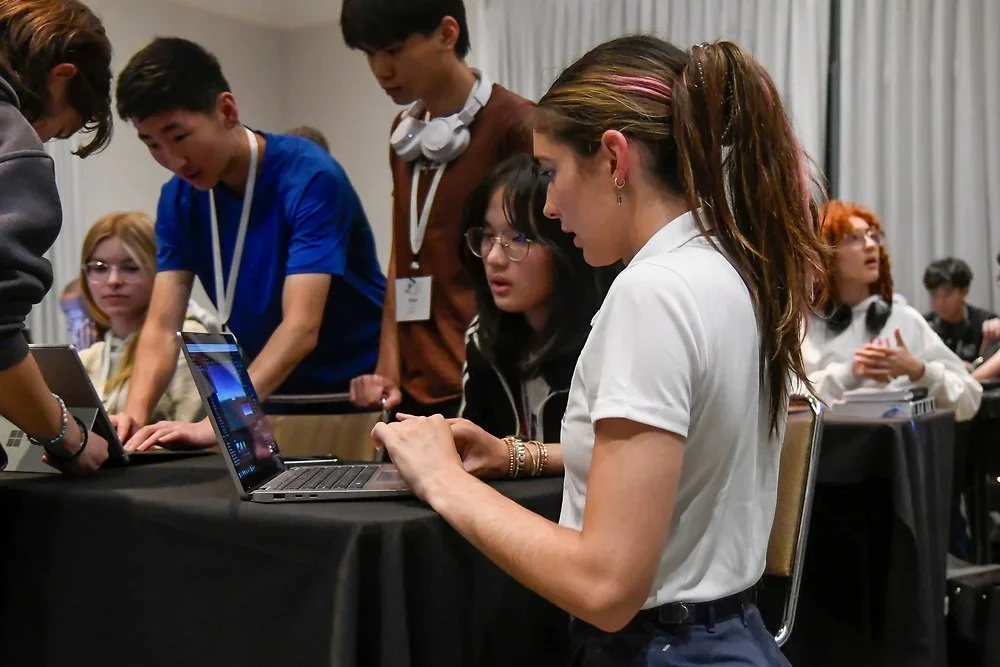 Image 2 of 6
 Image 3 of 6
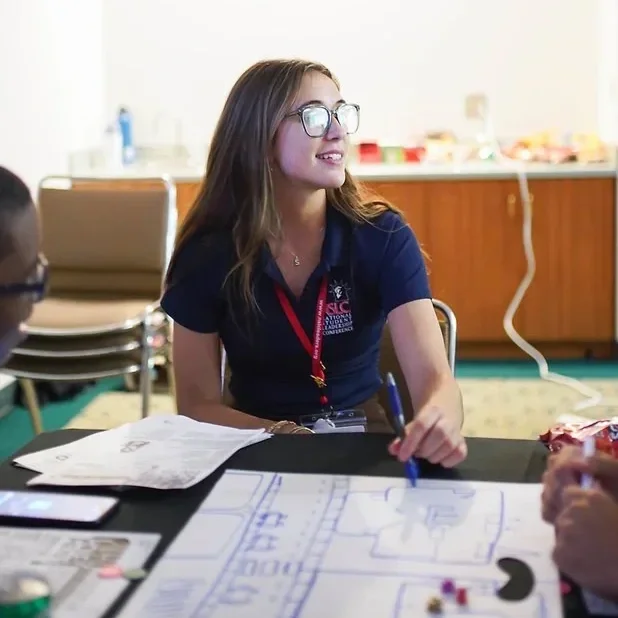 Image 4 of 6
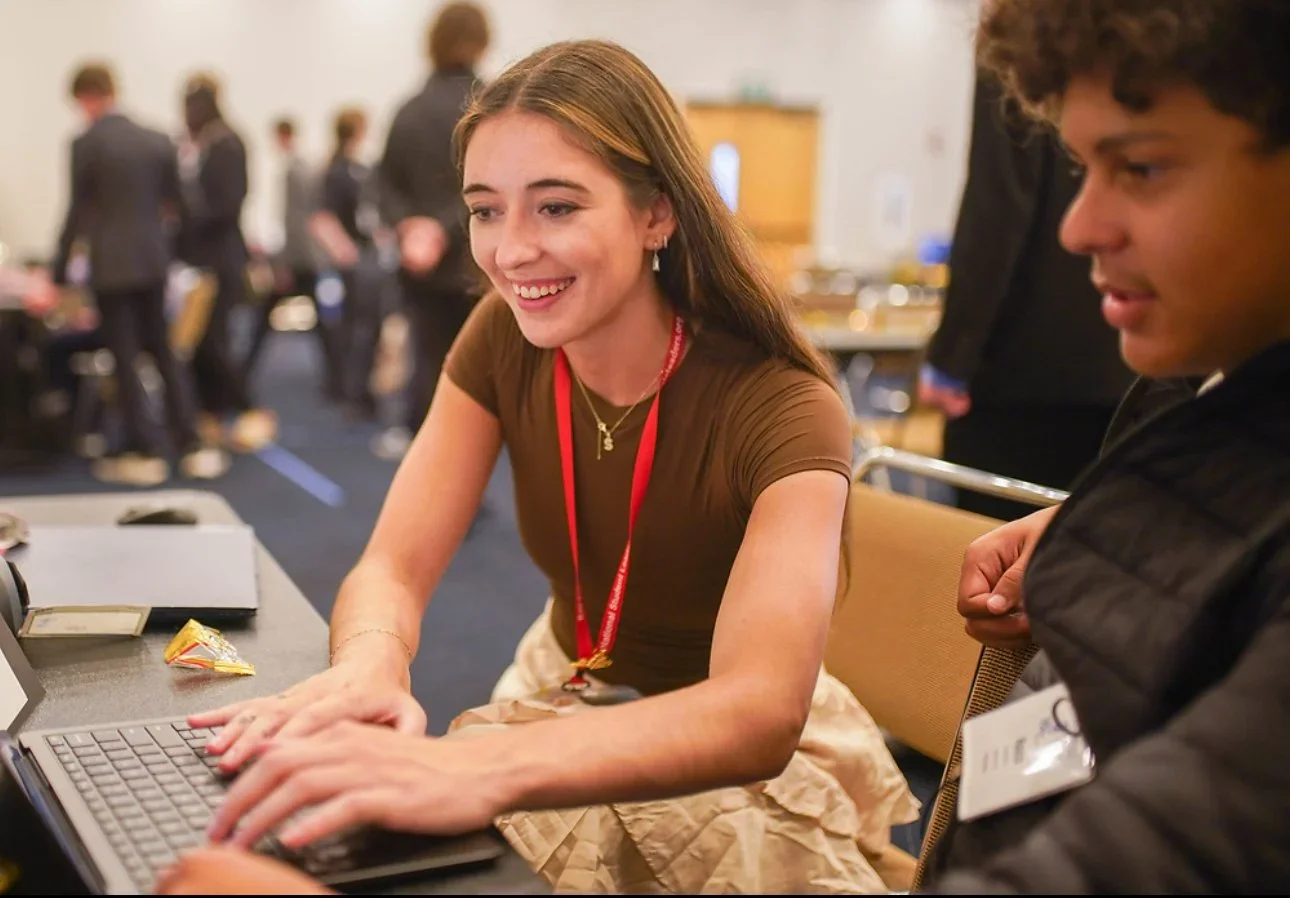 Image 5 of 6
 Image 6 of 6
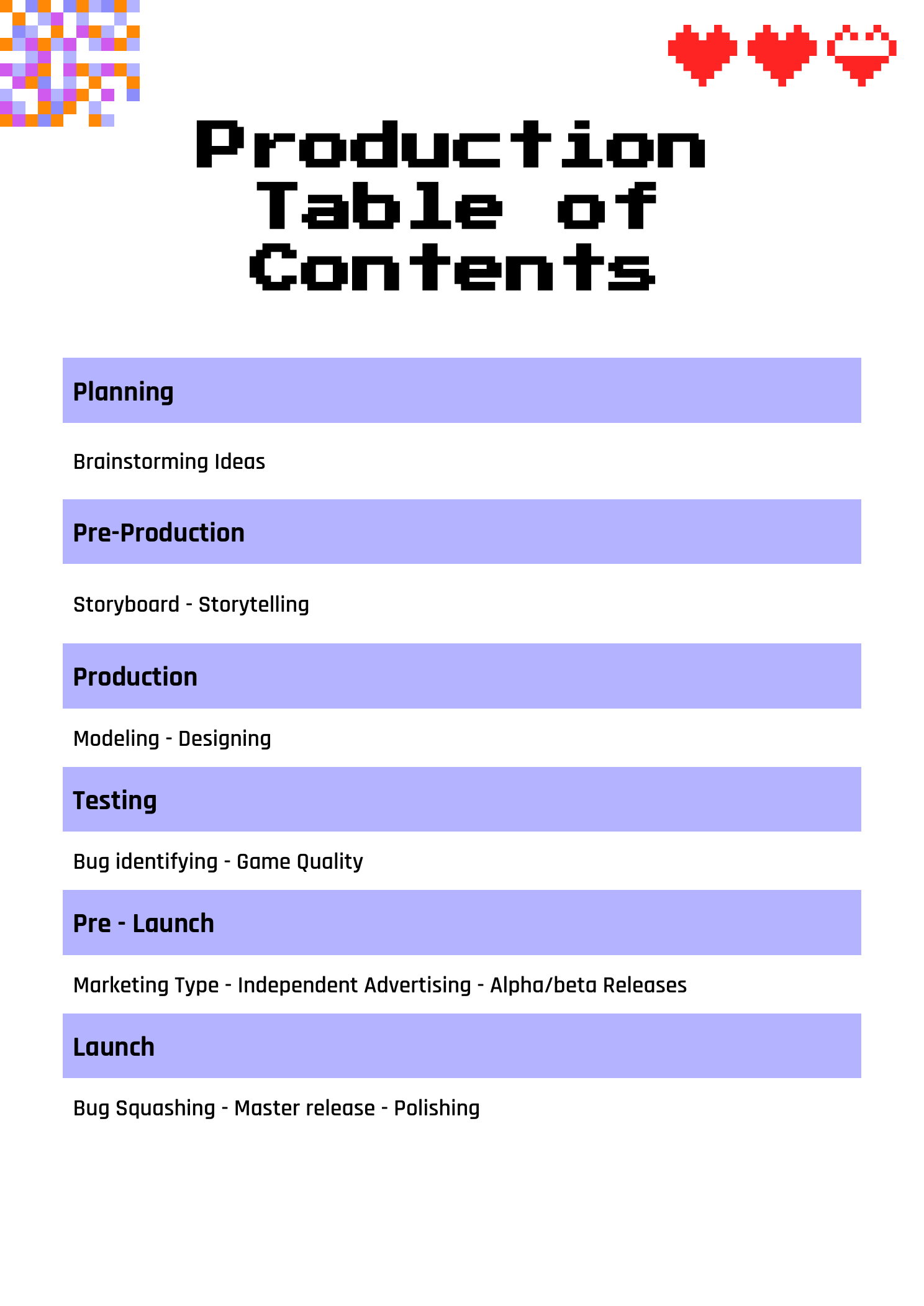
Curriculum Development & Technical Instruction
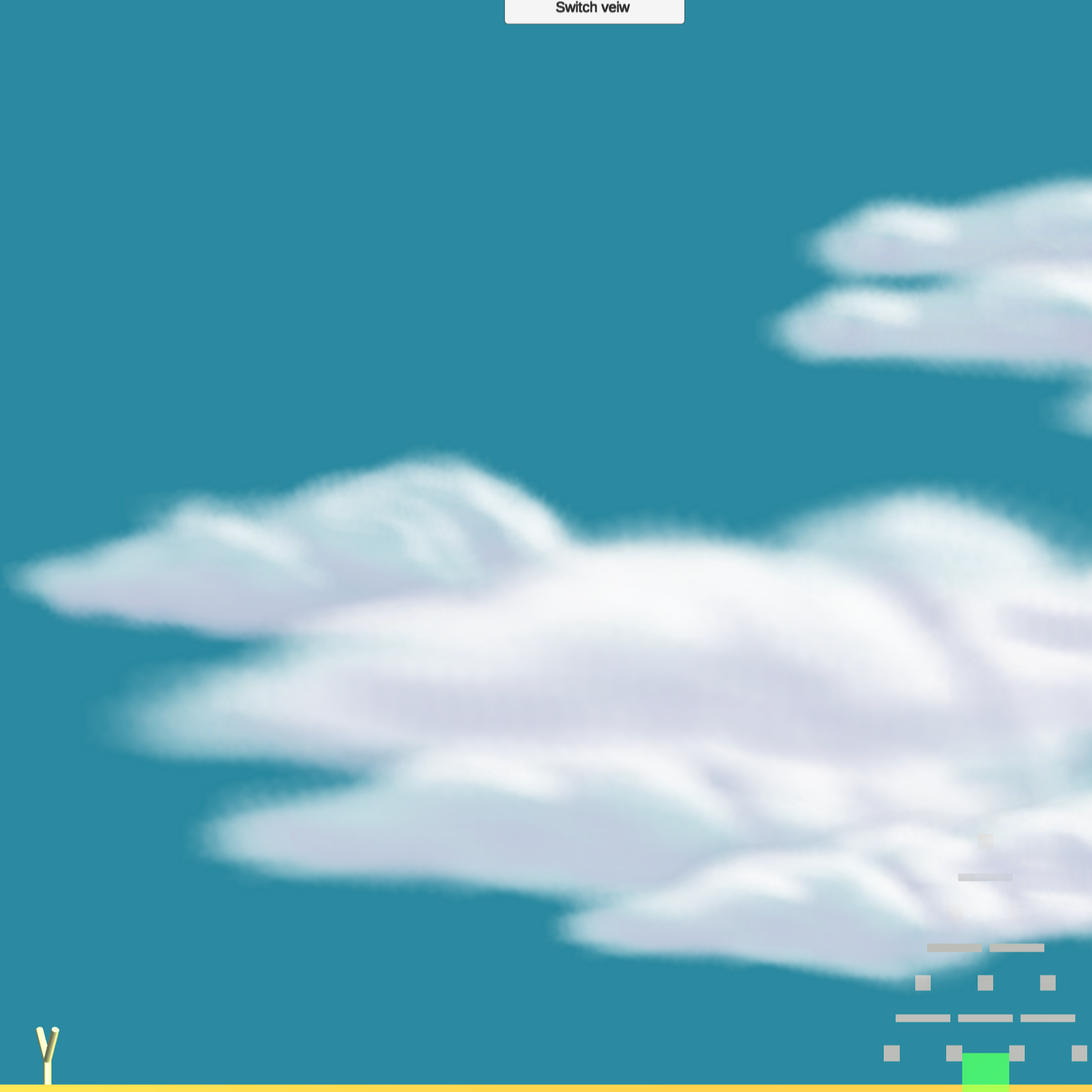
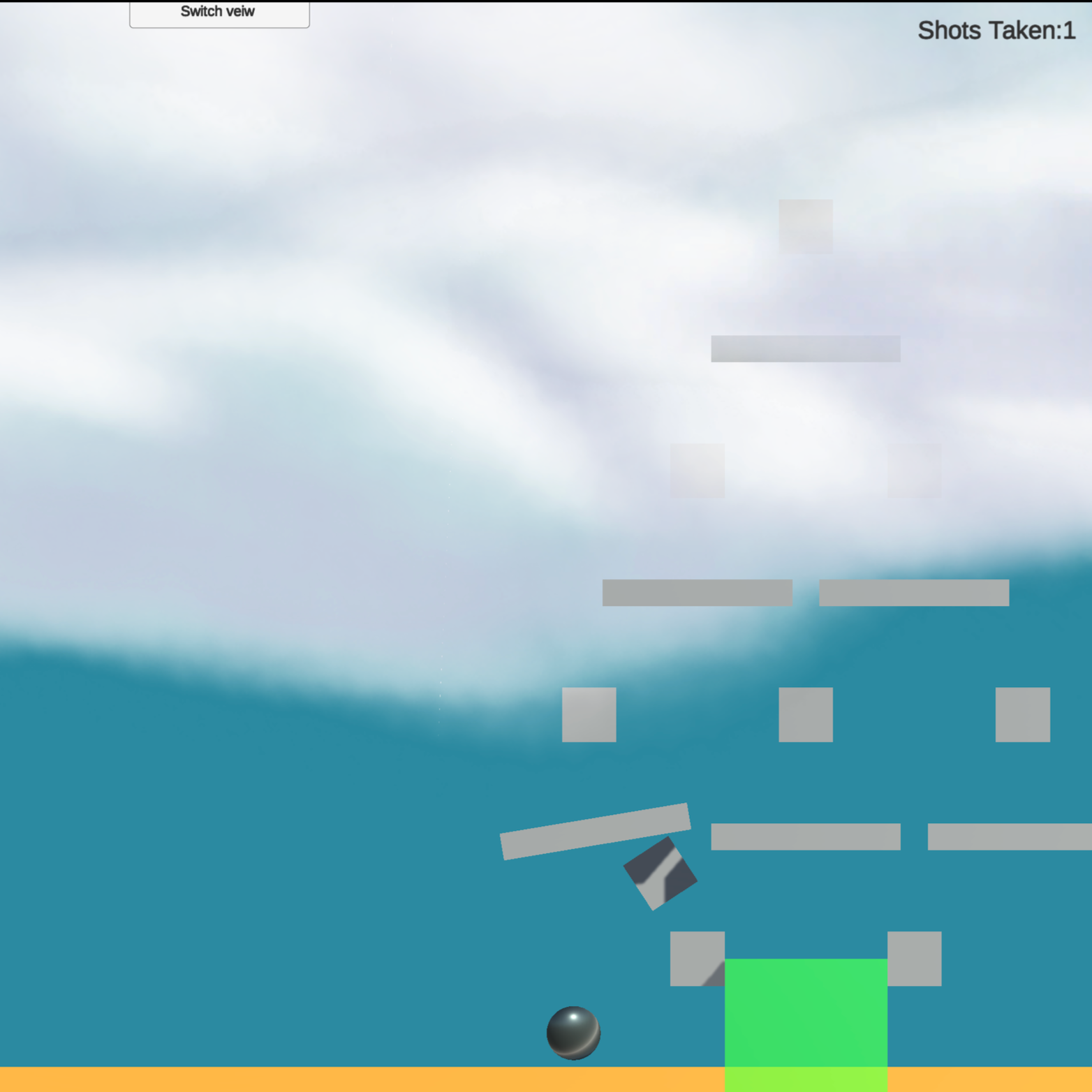
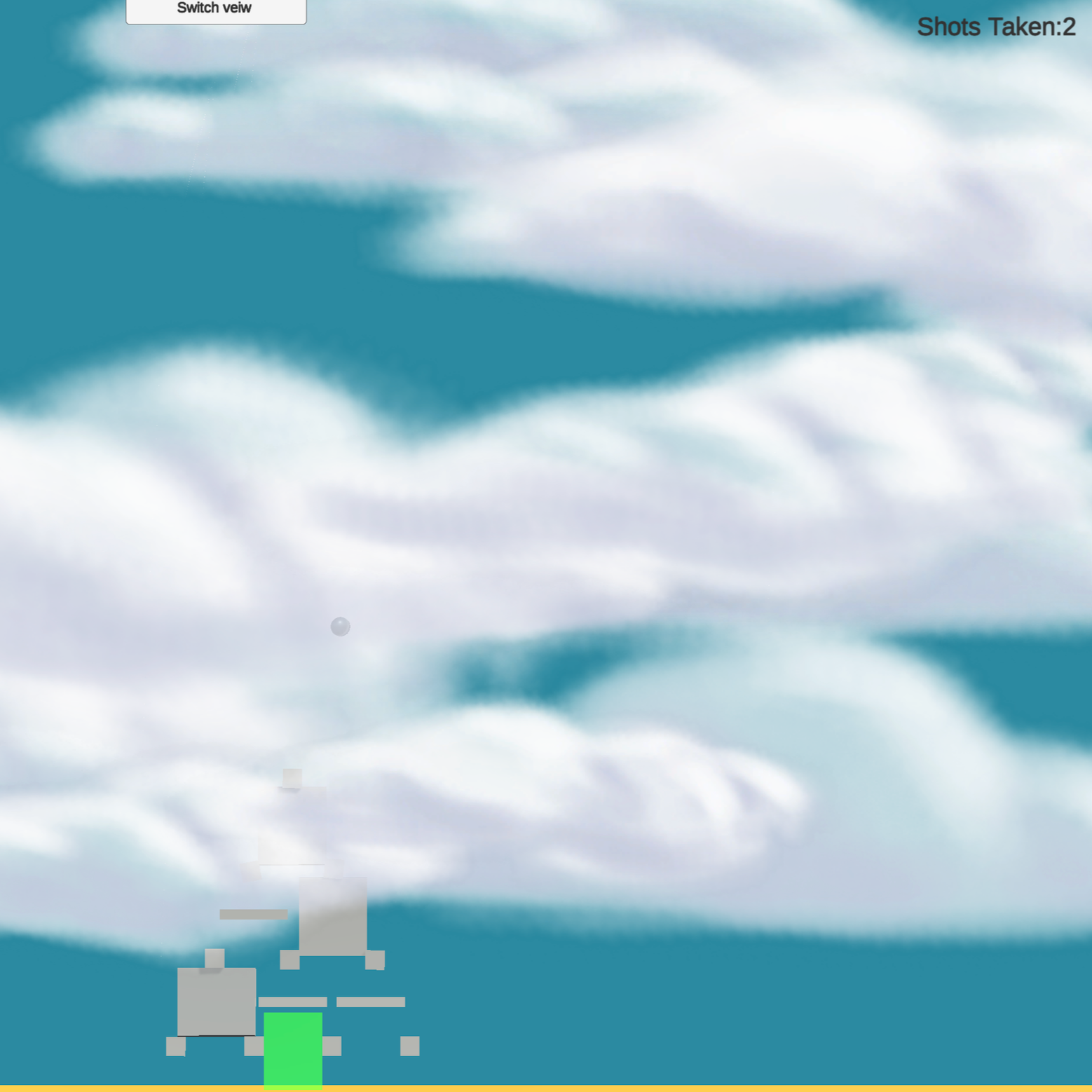
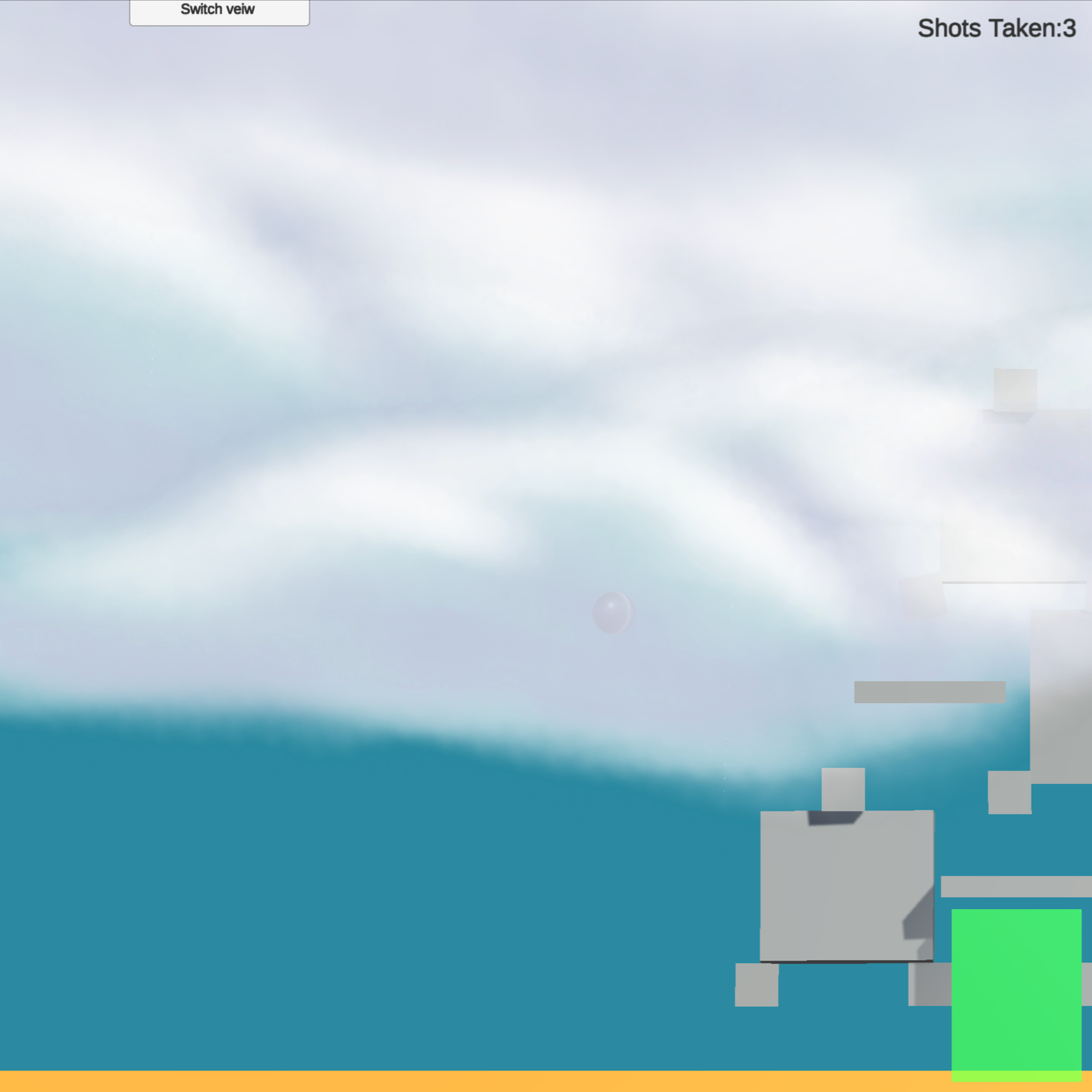
One of my primary responsibilities was supporting the development and delivery of instructional material focused on the fundamentals of game design and interactive development.
I worked alongside instructional staff to reinforce key concepts, support hands-on activities, and help students apply classroom lessons to their individual and collaborative projects.
I focused on connecting theoretical knowledge with practical implementation, allowing students to understand how programming, physics, design decisions, and user interactions contribute to a complete game.
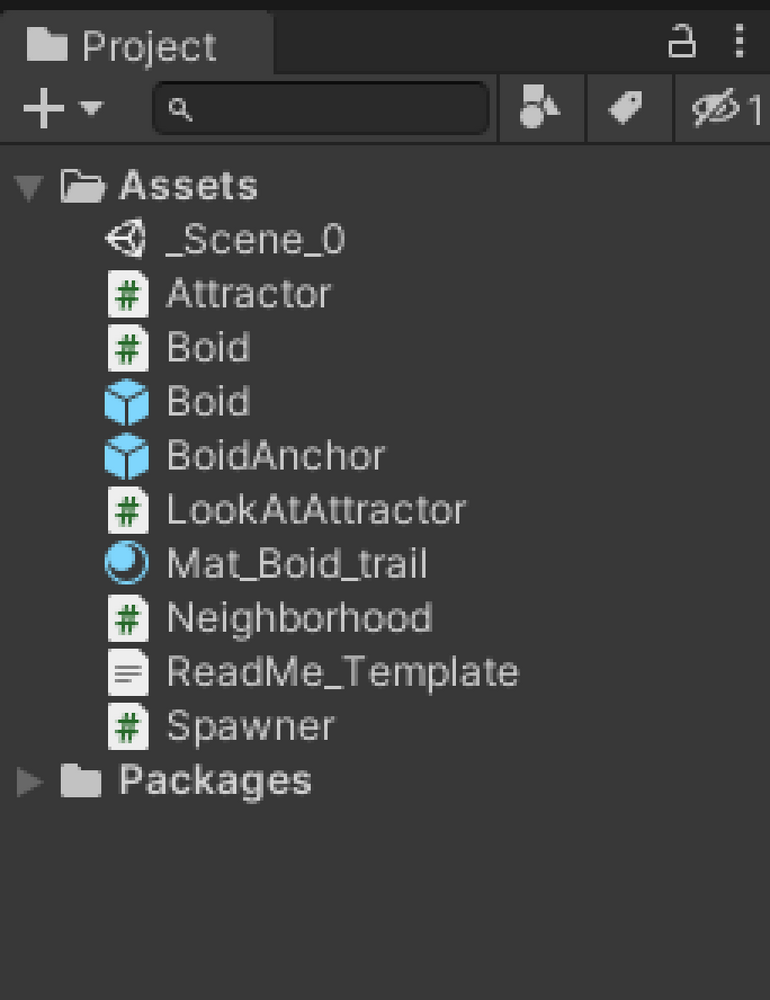
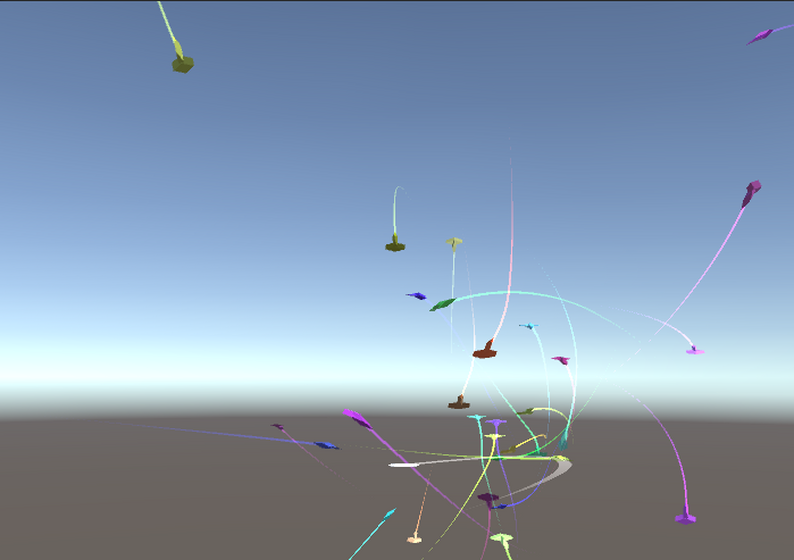
A significant portion of my instruction centered on Unity and C# programming, particularly helping students understand how scripts and components control the behavior of interactive objects.
I supported learning in several technical areas:
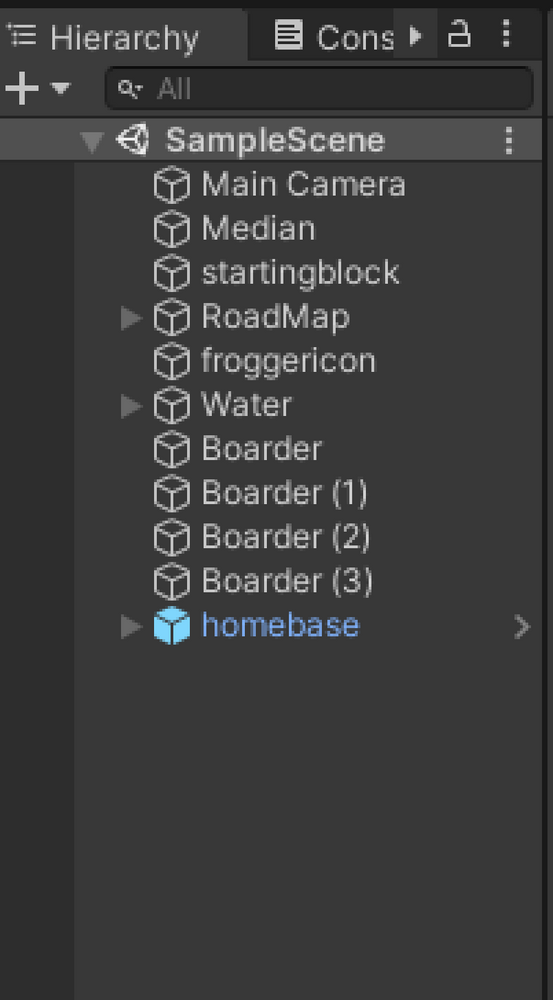
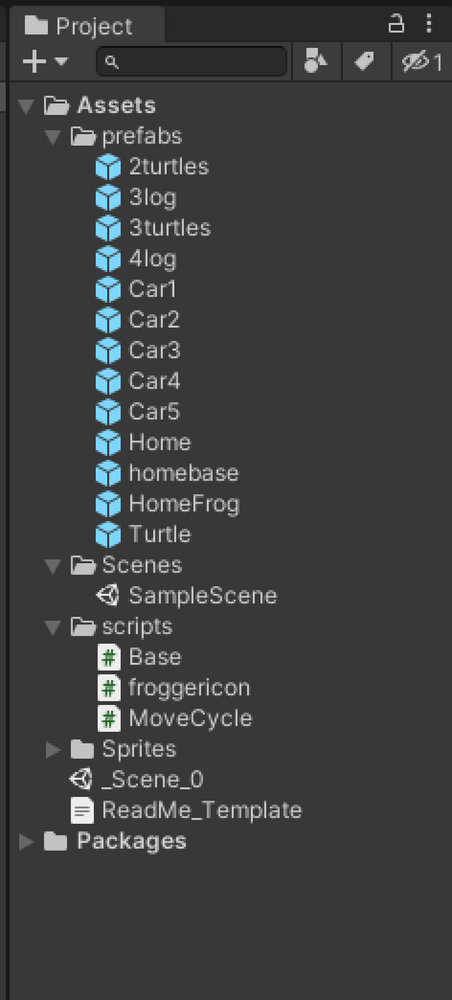
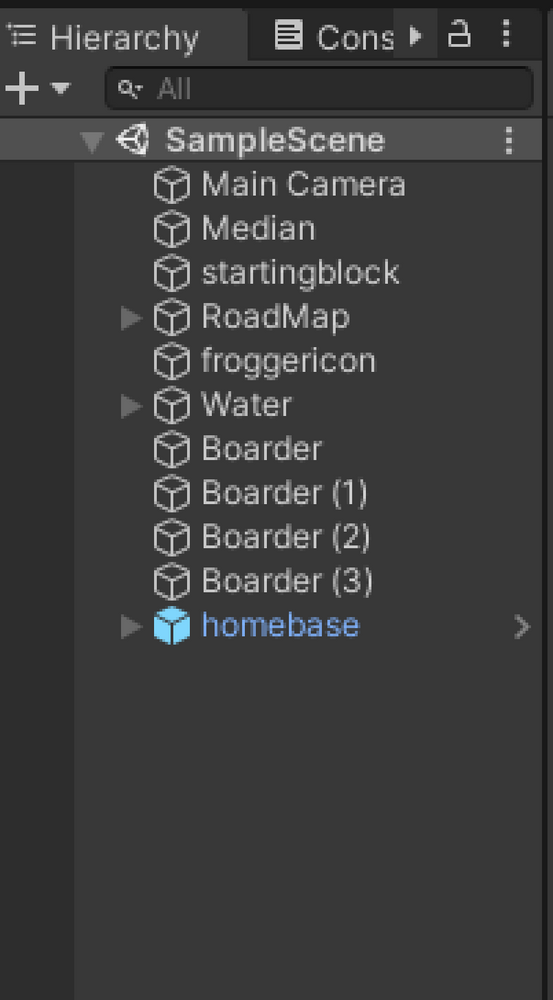
Unity Game Engine: Navigating the Unity editor, understanding game objects and components, and organizing interactive scenes.
C# Programming: Explaining programming concepts, interpreting scripts, and connecting code to gameplay functionality.
Game Physics: Teaching physics-based interactions, collision detection, and the relationship between movement and gameplay mechanics.
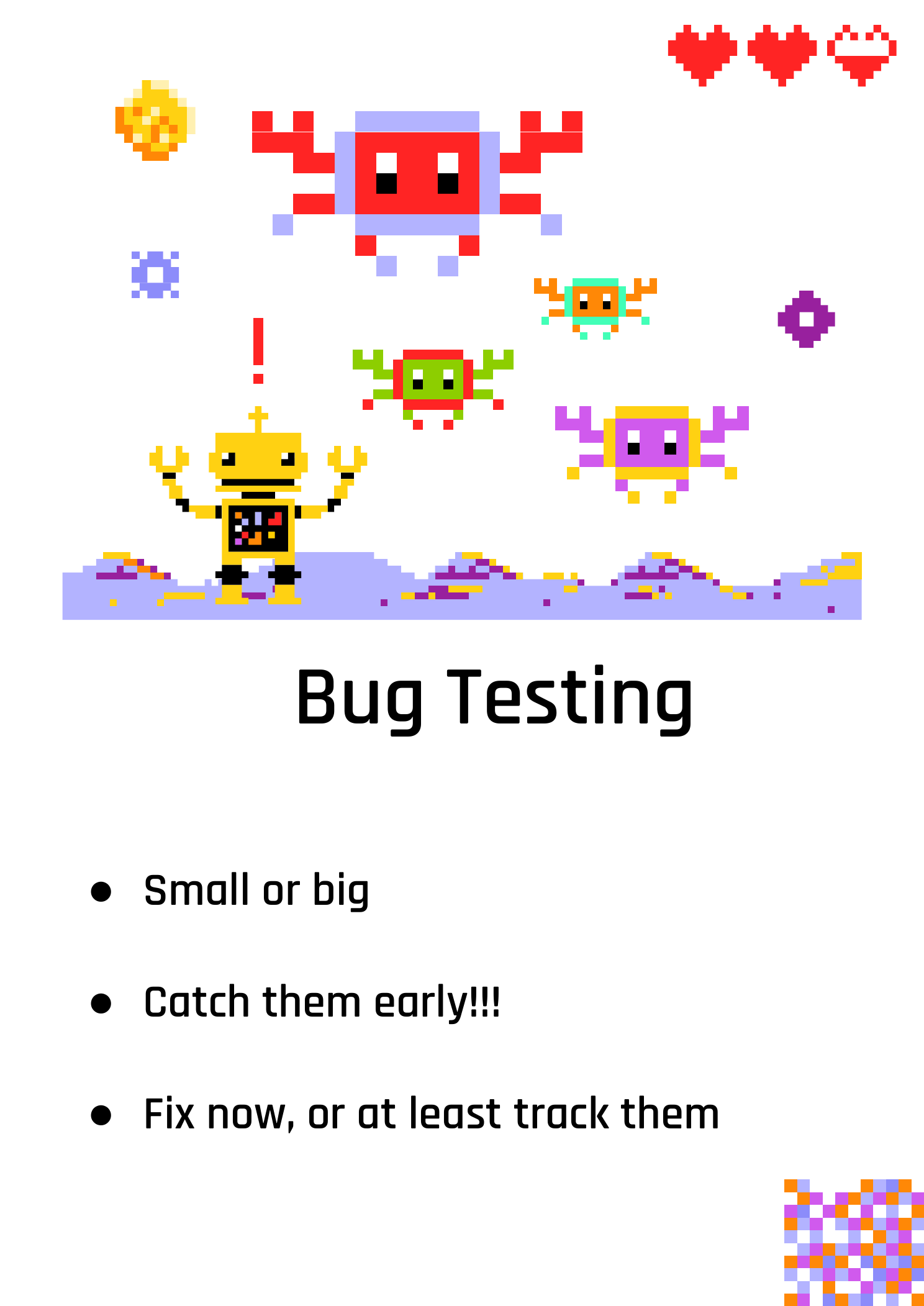
Debugging & Troubleshooting: Helping students identify errors, test solutions, and develop systematic approaches to resolving technical problems.
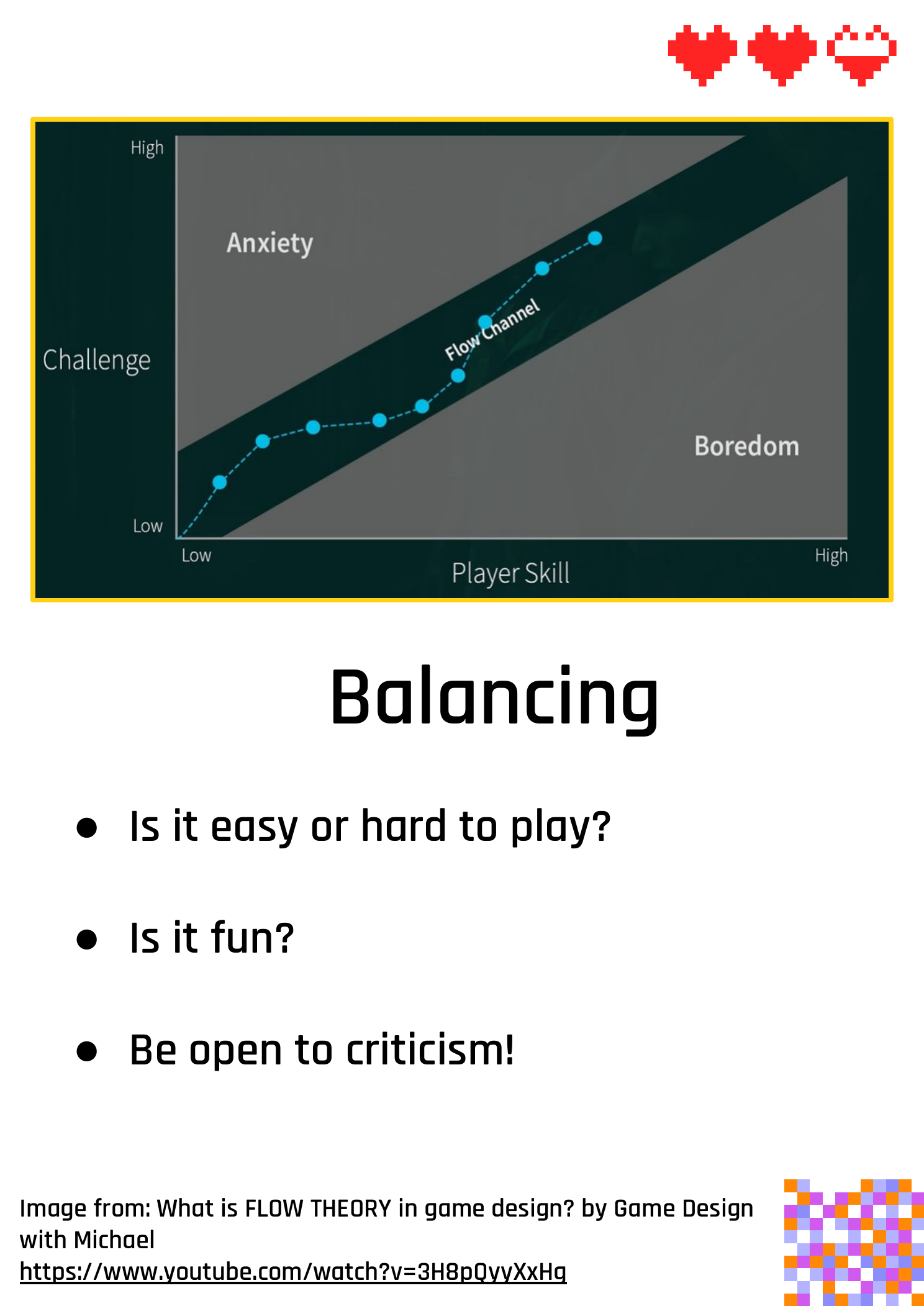
Gameplay Design: Encouraging students to consider how mechanics, controls, and player feedback influence the overall experience.
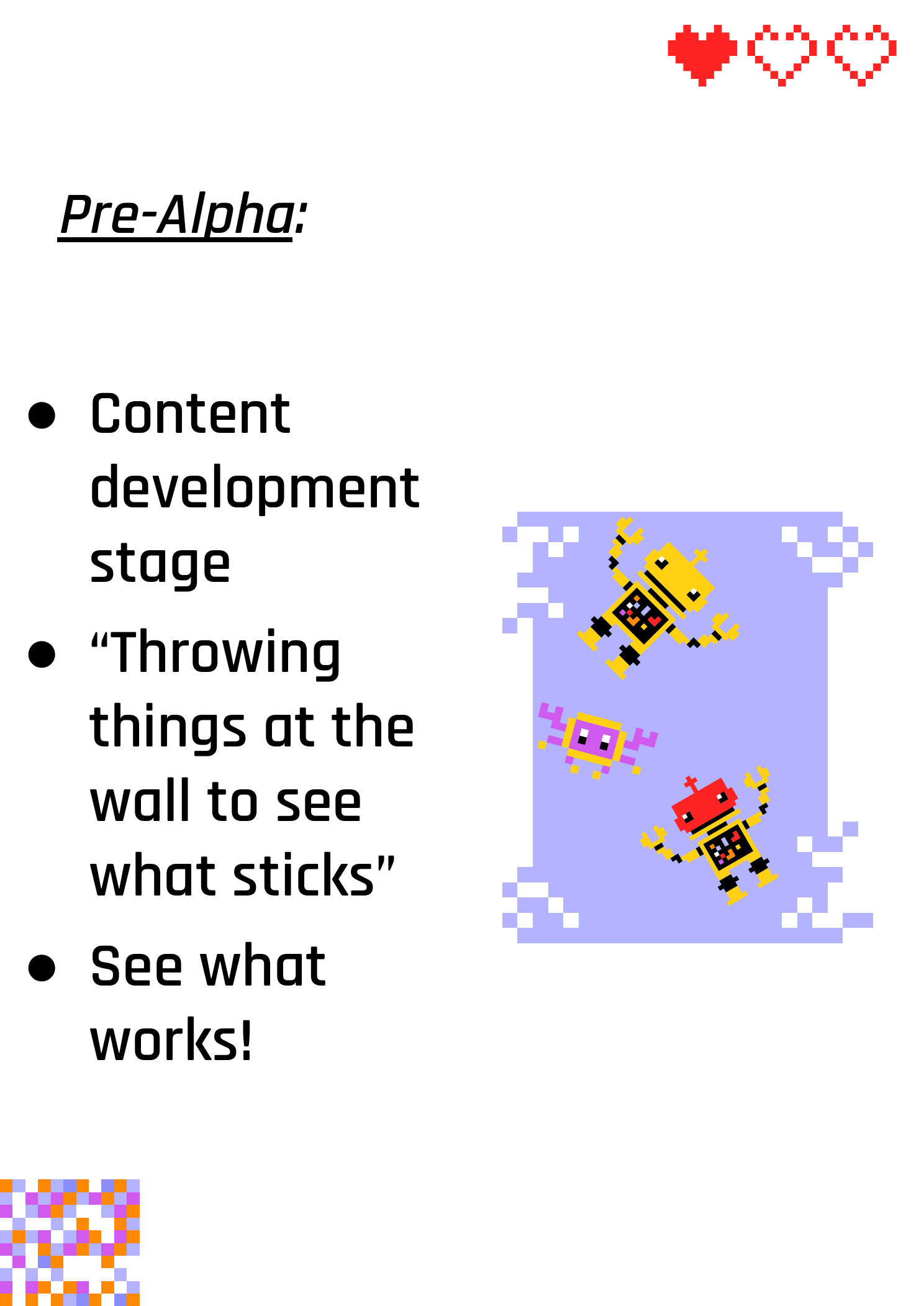
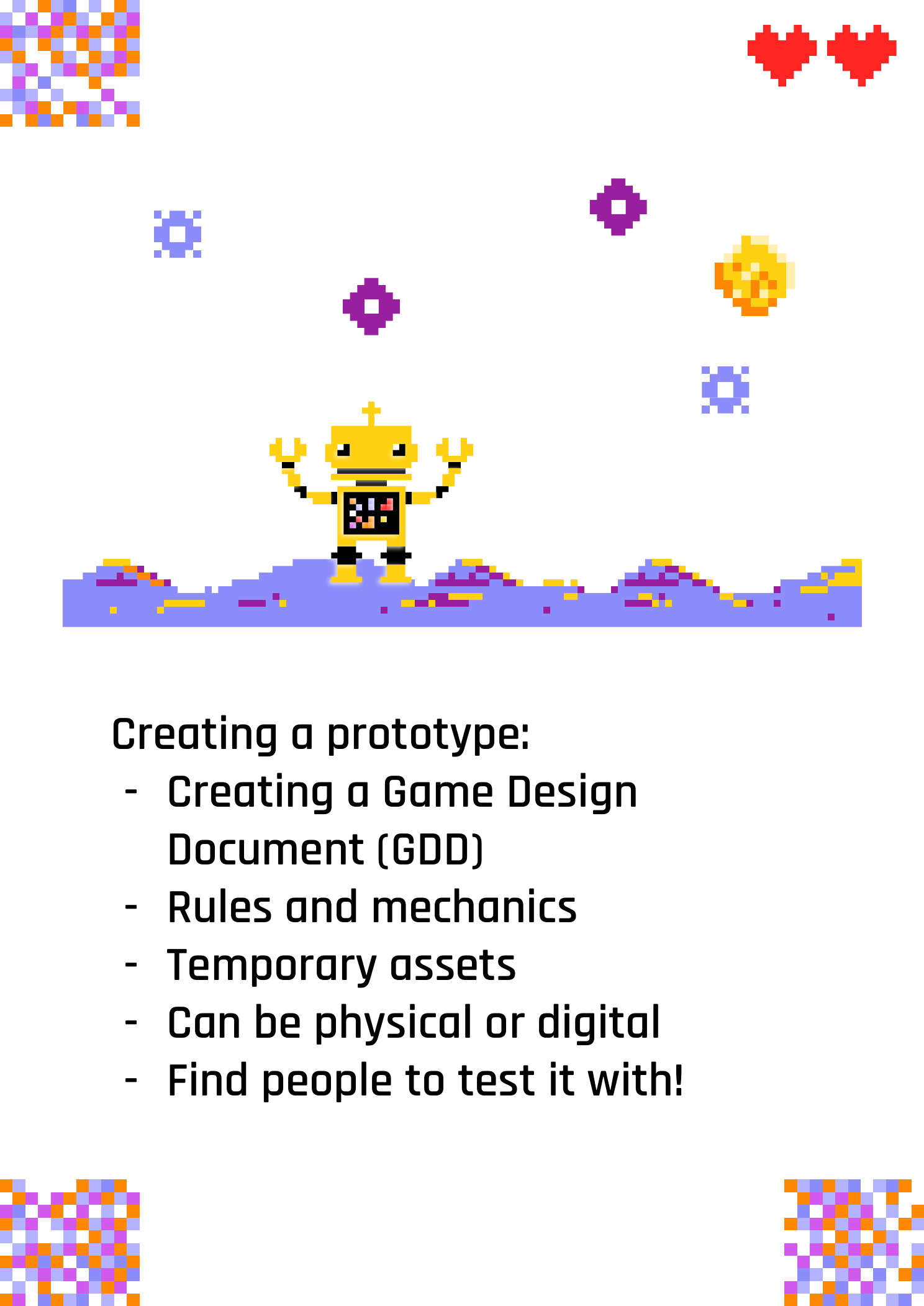
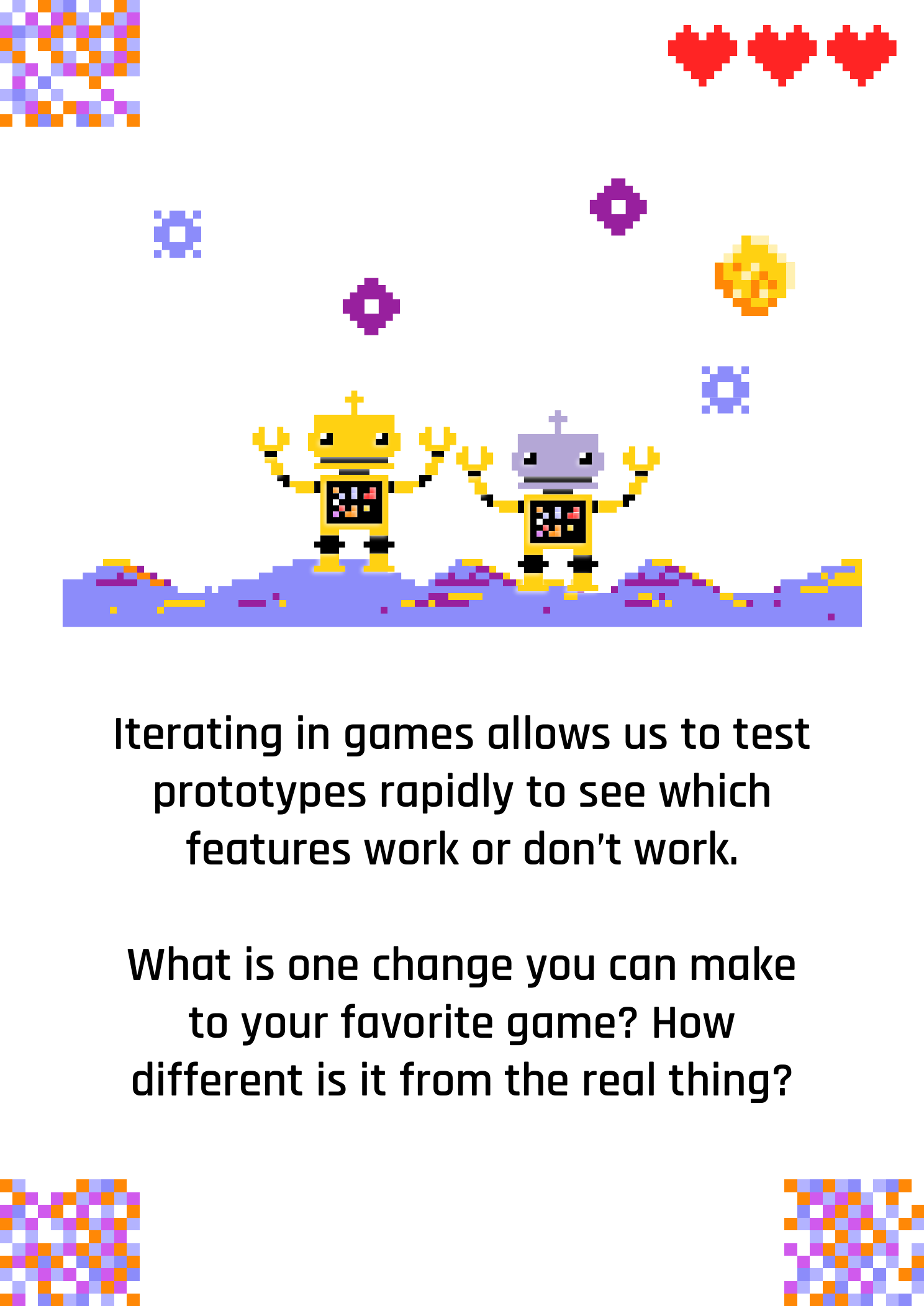
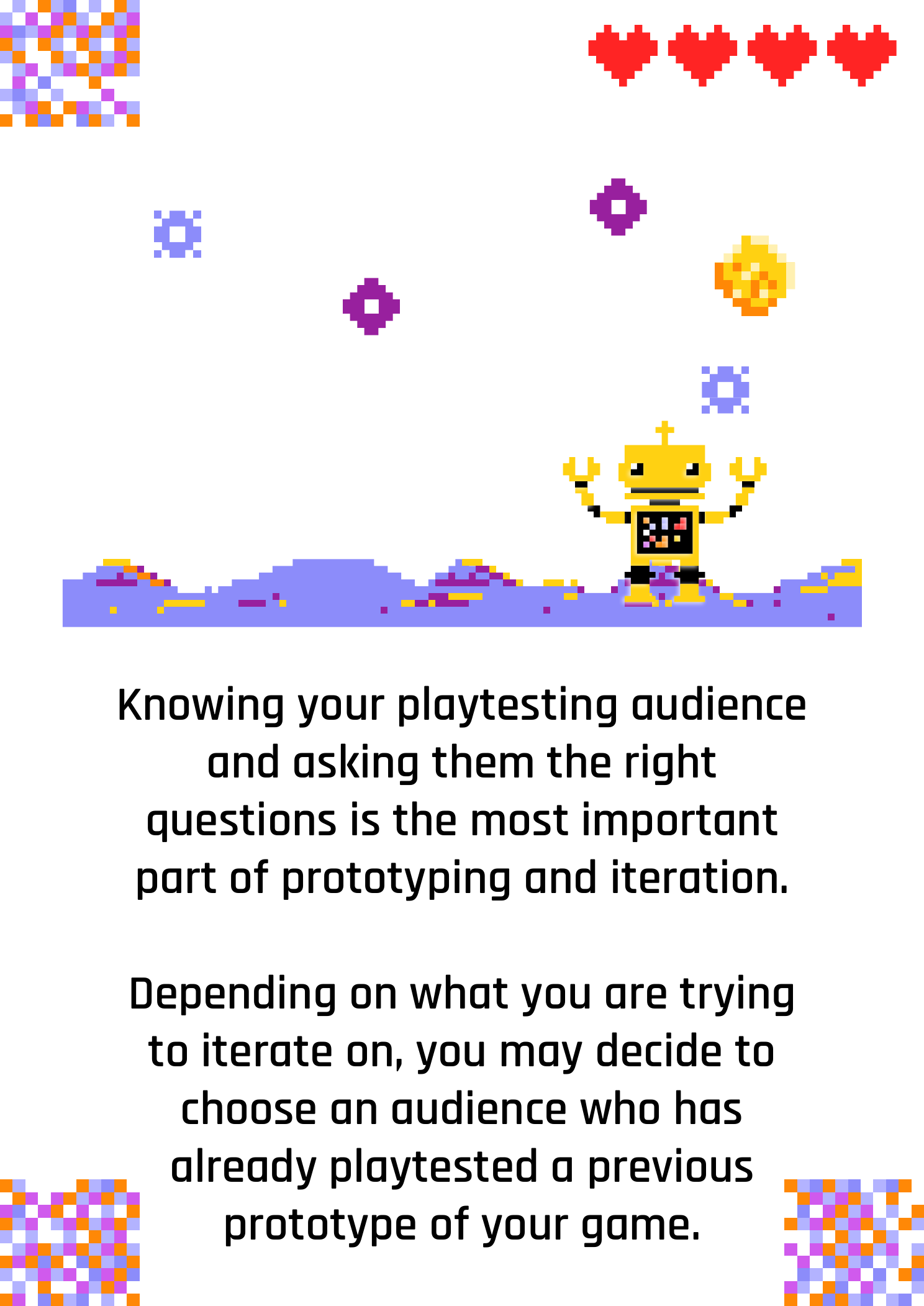
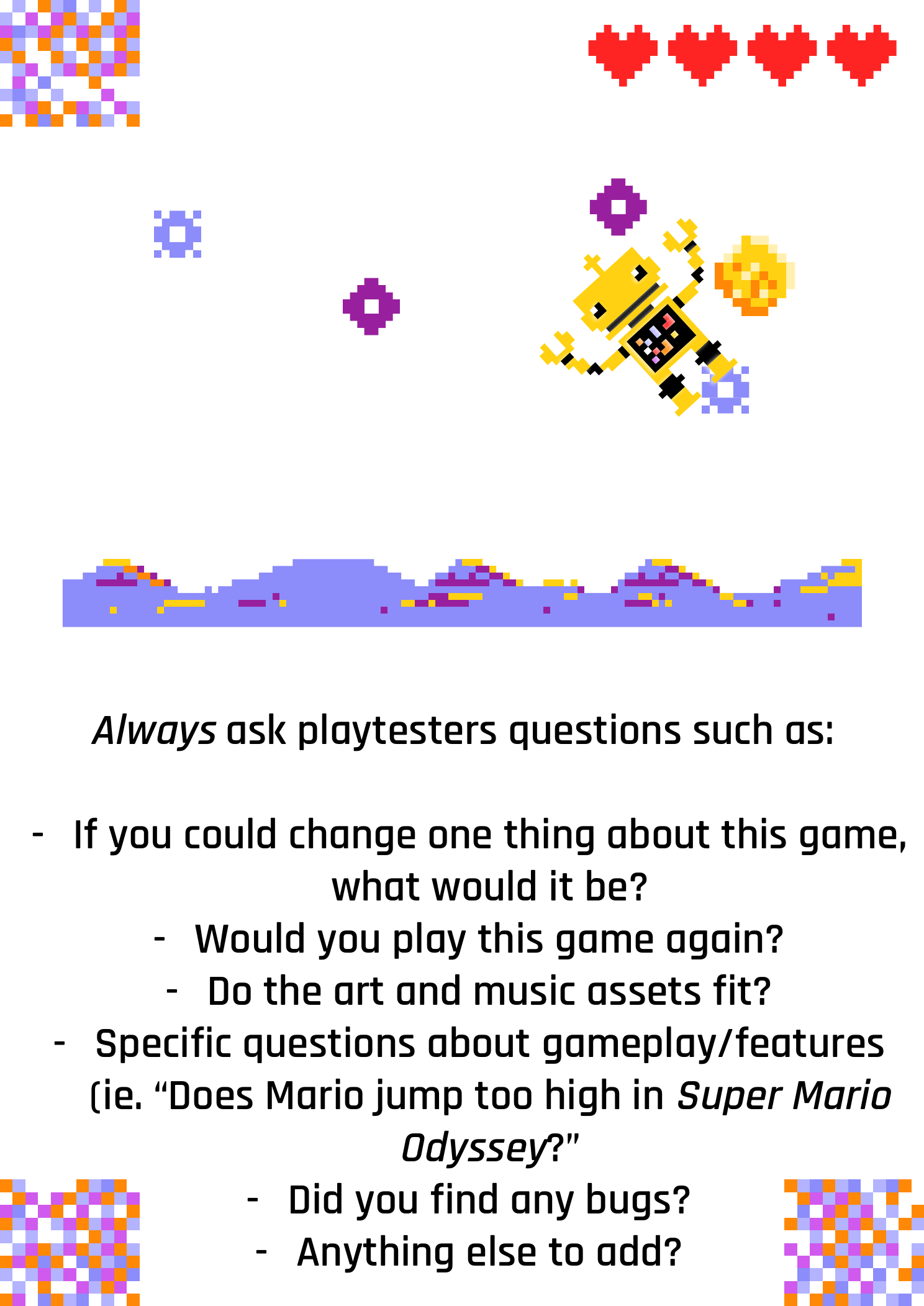
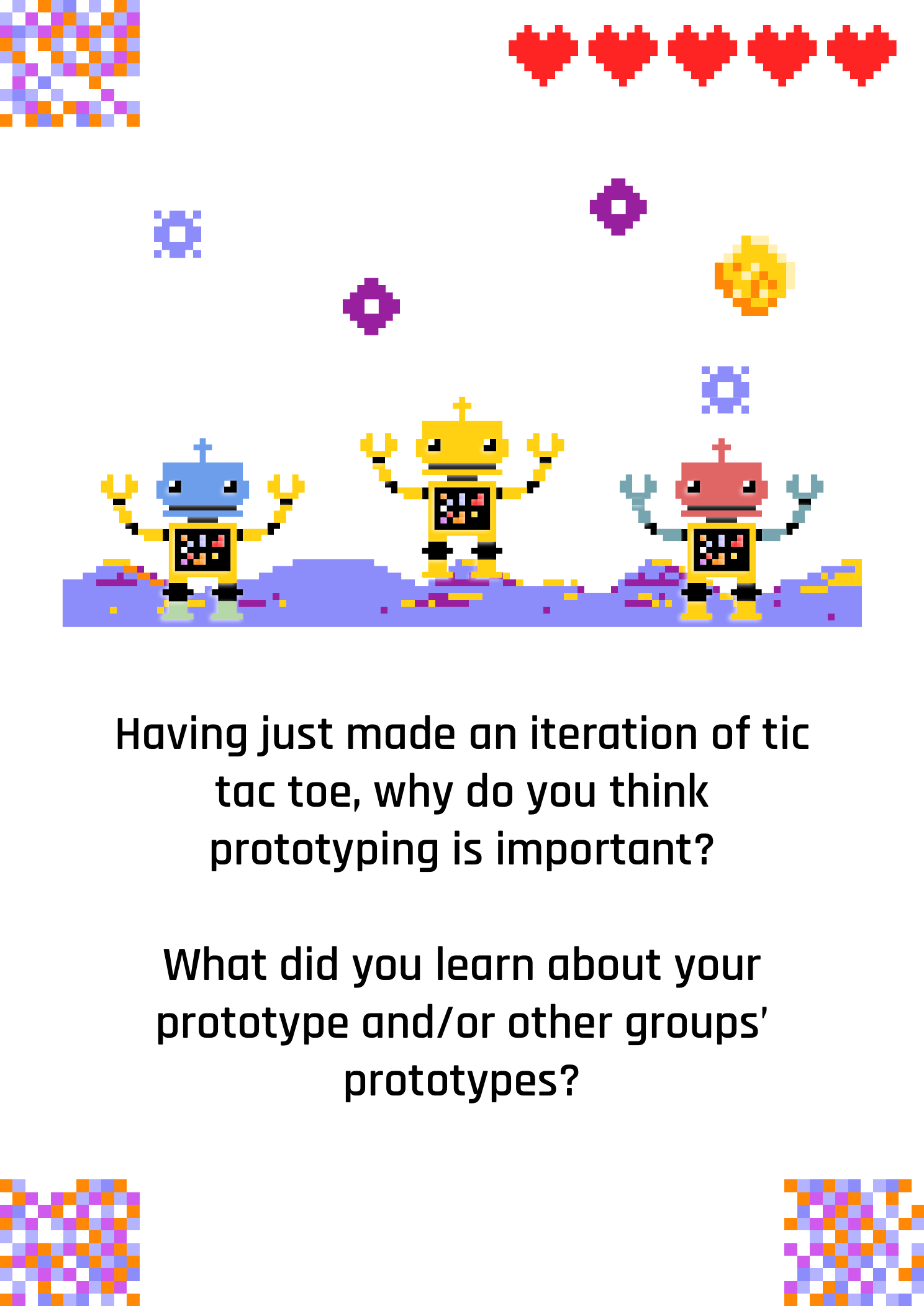
Iterative Development: Supporting students as they tested, evaluated, and refined their projects throughout the program.
Rather than providing solutions immediately, I encouraged students to investigate problems, understand the reasoning behind their code, and develop their own technical problem-solving skills.
Animation & Creative Production Support
In addition to game development instruction, I contributed to the broader creative learning environment surrounding NSLC's animation programming.
I supported activities that encouraged students to think critically about visual storytelling, creative workflows, production planning, and the relationship between technical execution and artistic expression.
My experience working across game design and animation reinforced the importance of interdisciplinary collaboration. Both fields require creators to balance artistic goals with technical limitations, organize their work effectively, and communicate their ideas clearly.
Through these experiences, I helped foster an environment where students could experiment with creative concepts while developing a stronger understanding of digital production.
Student Mentorship & Individualized Support
One of the most meaningful aspects of my role was working directly with students throughout their creative development process.
Students entered the program with different levels of experience. Some had previously experimented with programming or game engines, while others were encountering these tools for the first time.
I adapted my teaching approach to meet students where they were, breaking down unfamiliar concepts into manageable steps and providing additional guidance when necessary.
When students encountered technical challenges, I worked with them to identify the underlying problem, evaluate possible solutions, and understand how to prevent similar issues in the future.
I also encouraged students to think critically about their design decisions, helping them consider whether their projects were intuitive, functional, and achievable within the program's timeframe.
This experience strengthened my ability to communicate technical information clearly, provide constructive feedback, and support individuals with different learning styles and creative goals.
Student Projects & Final Showcases
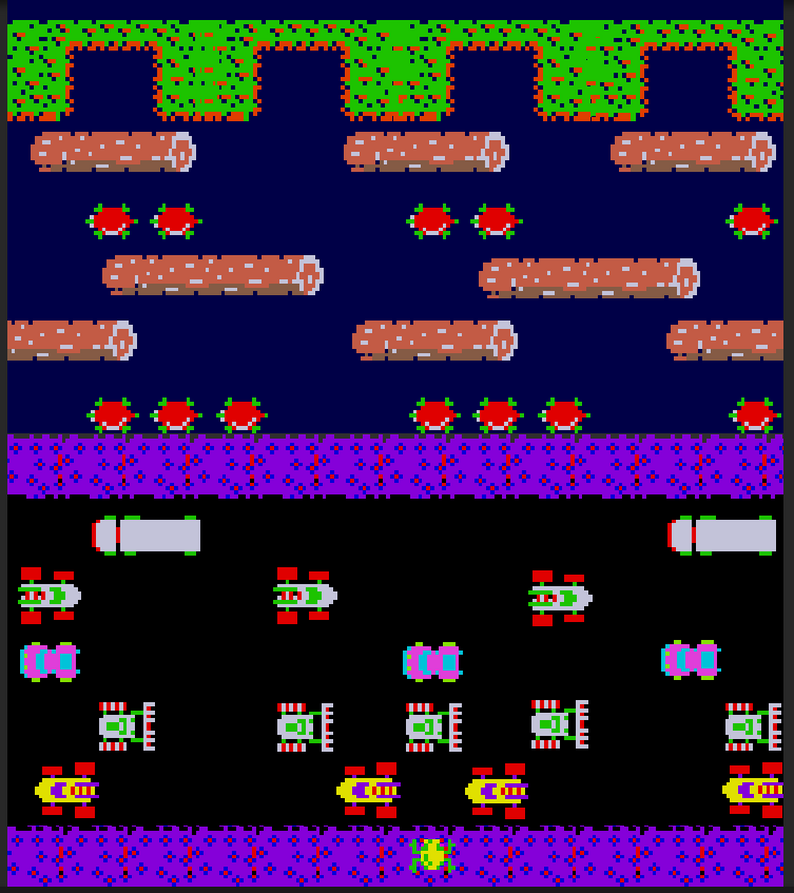
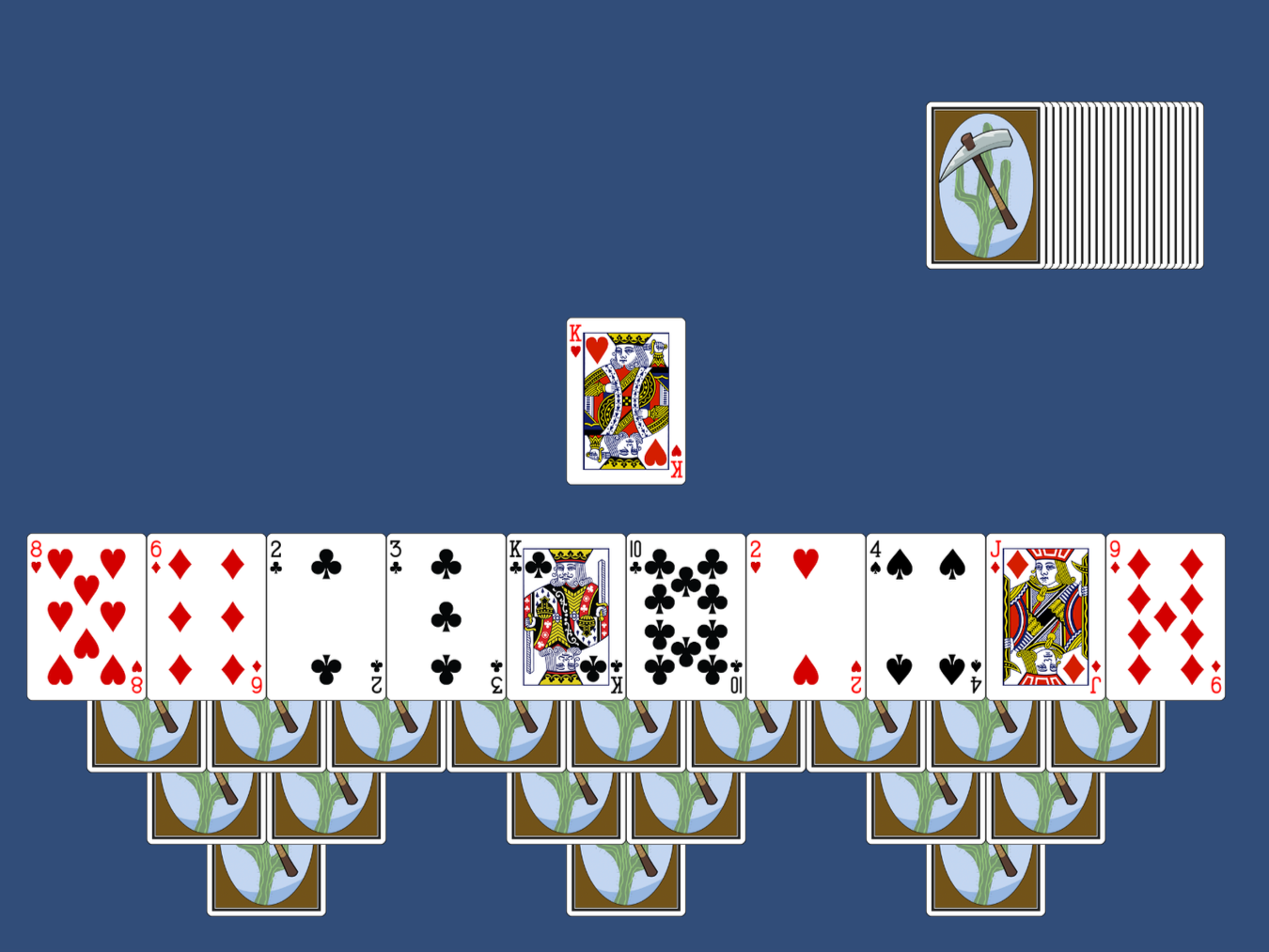
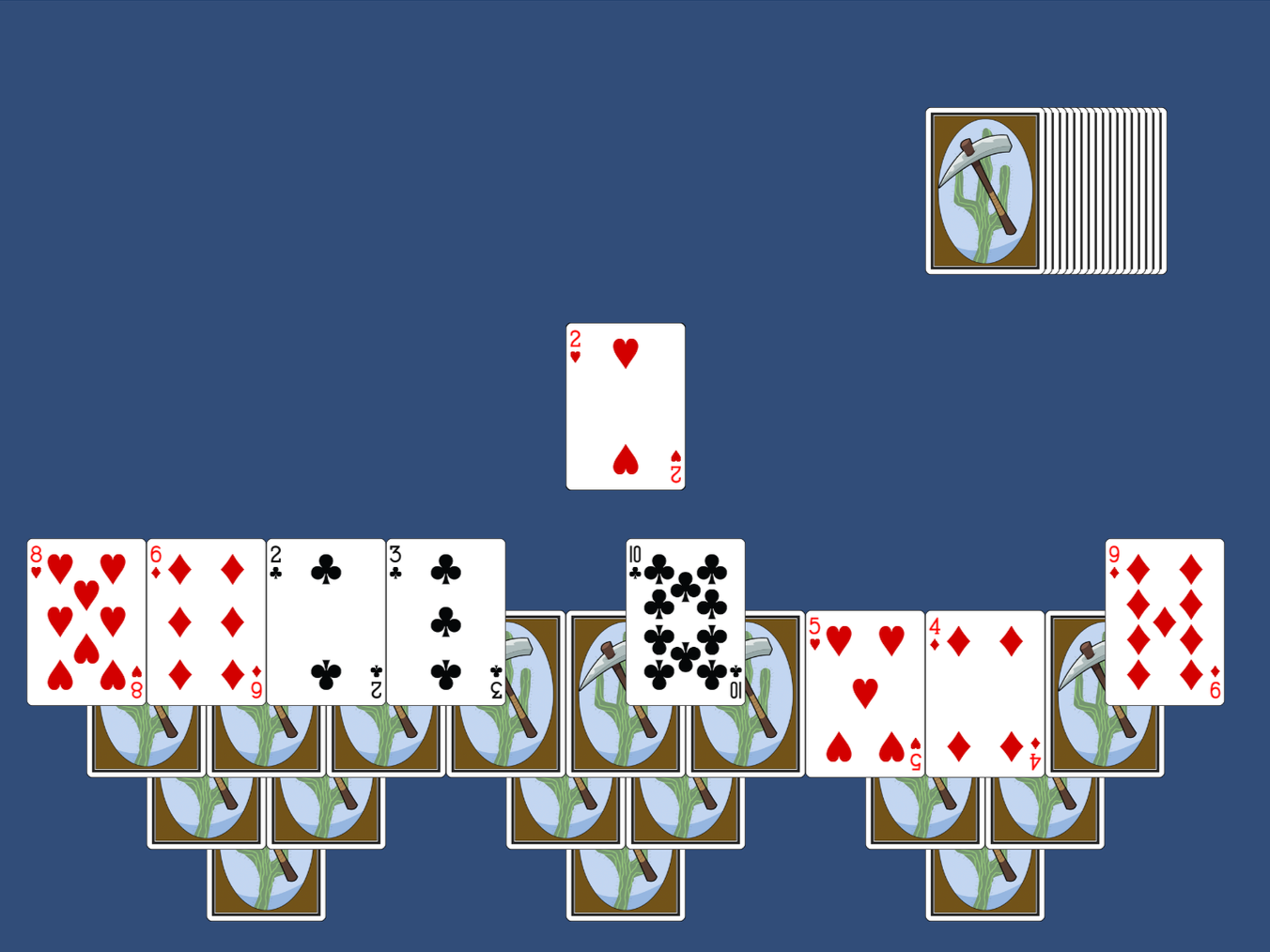
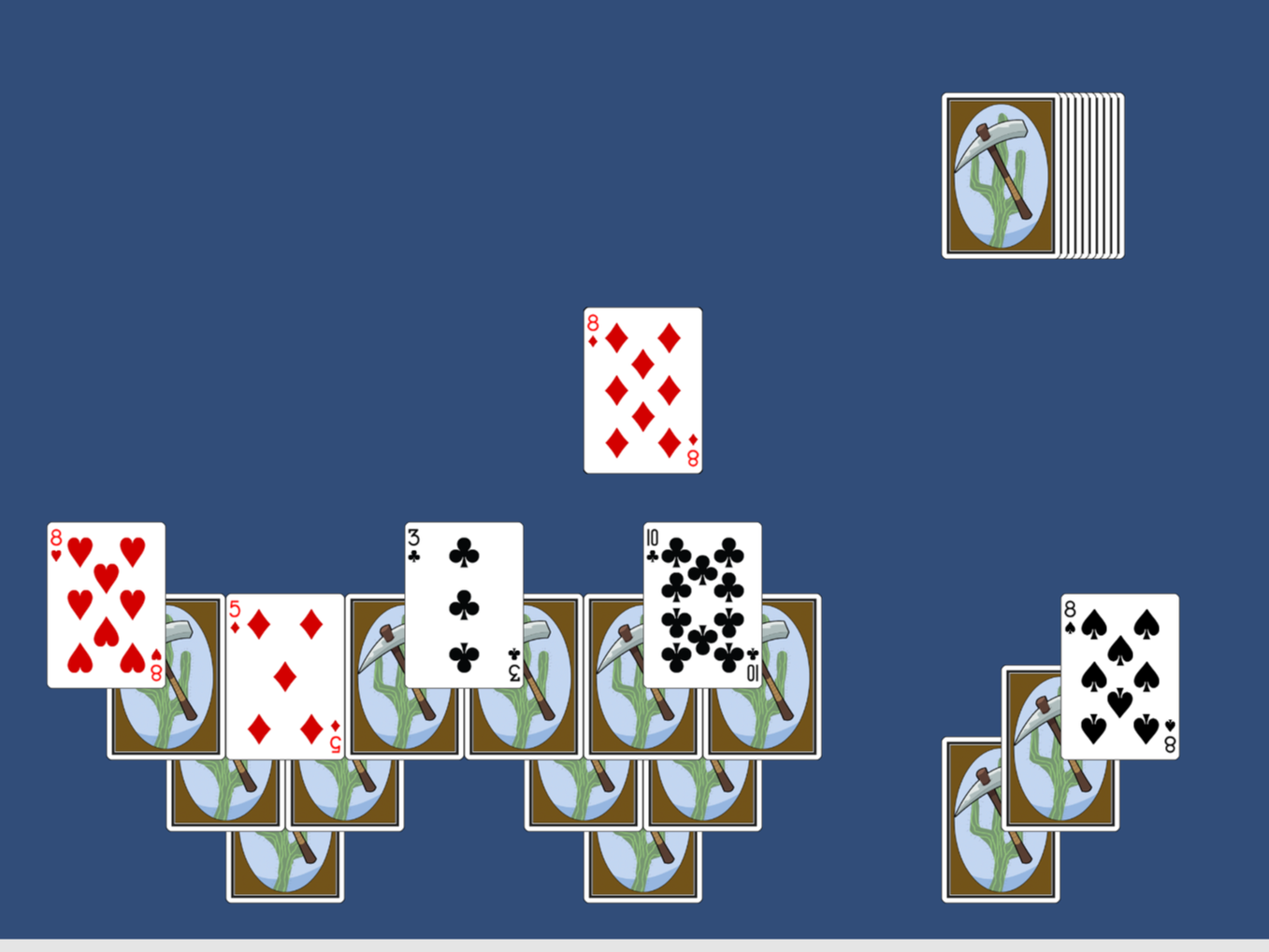
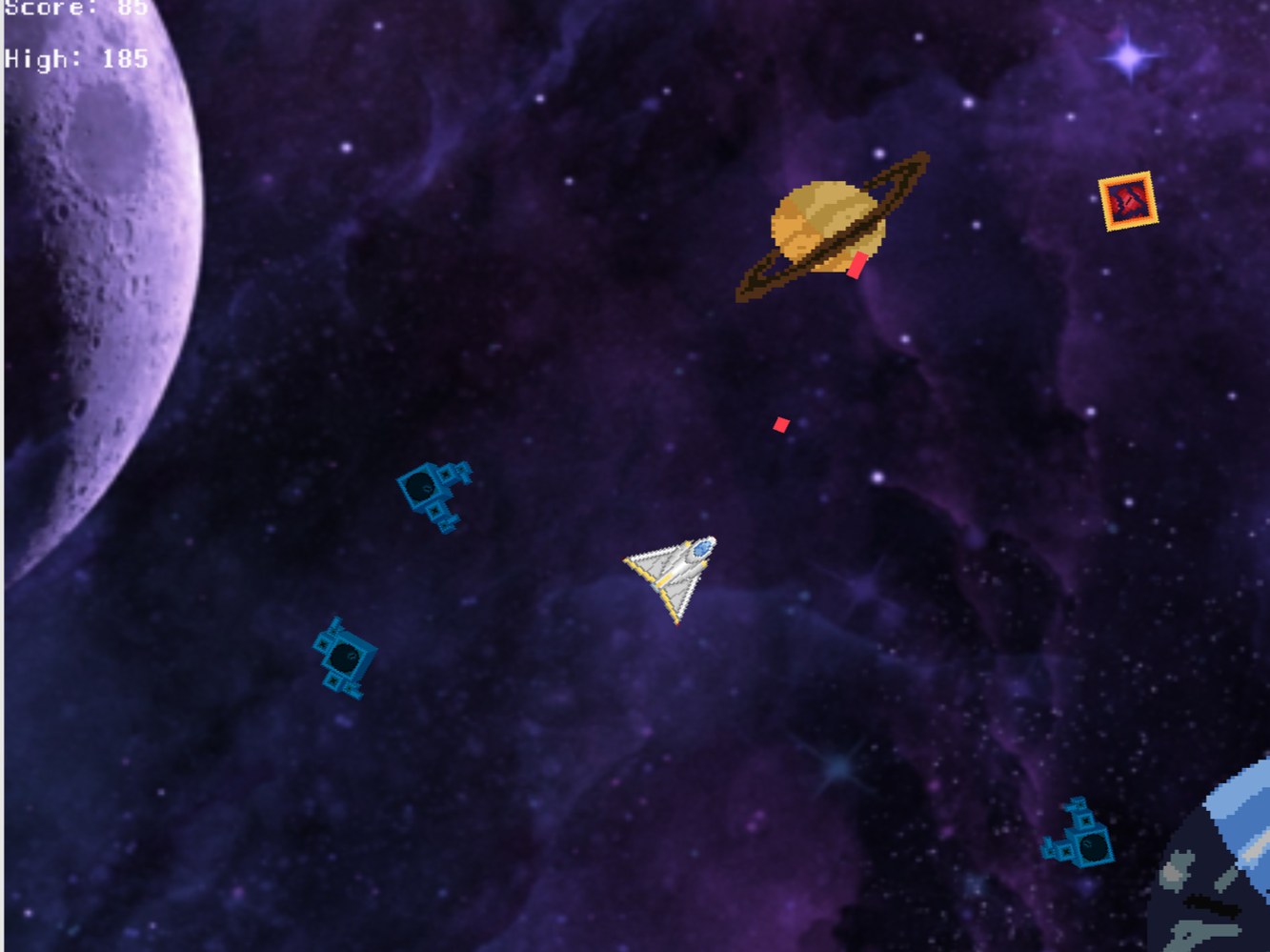
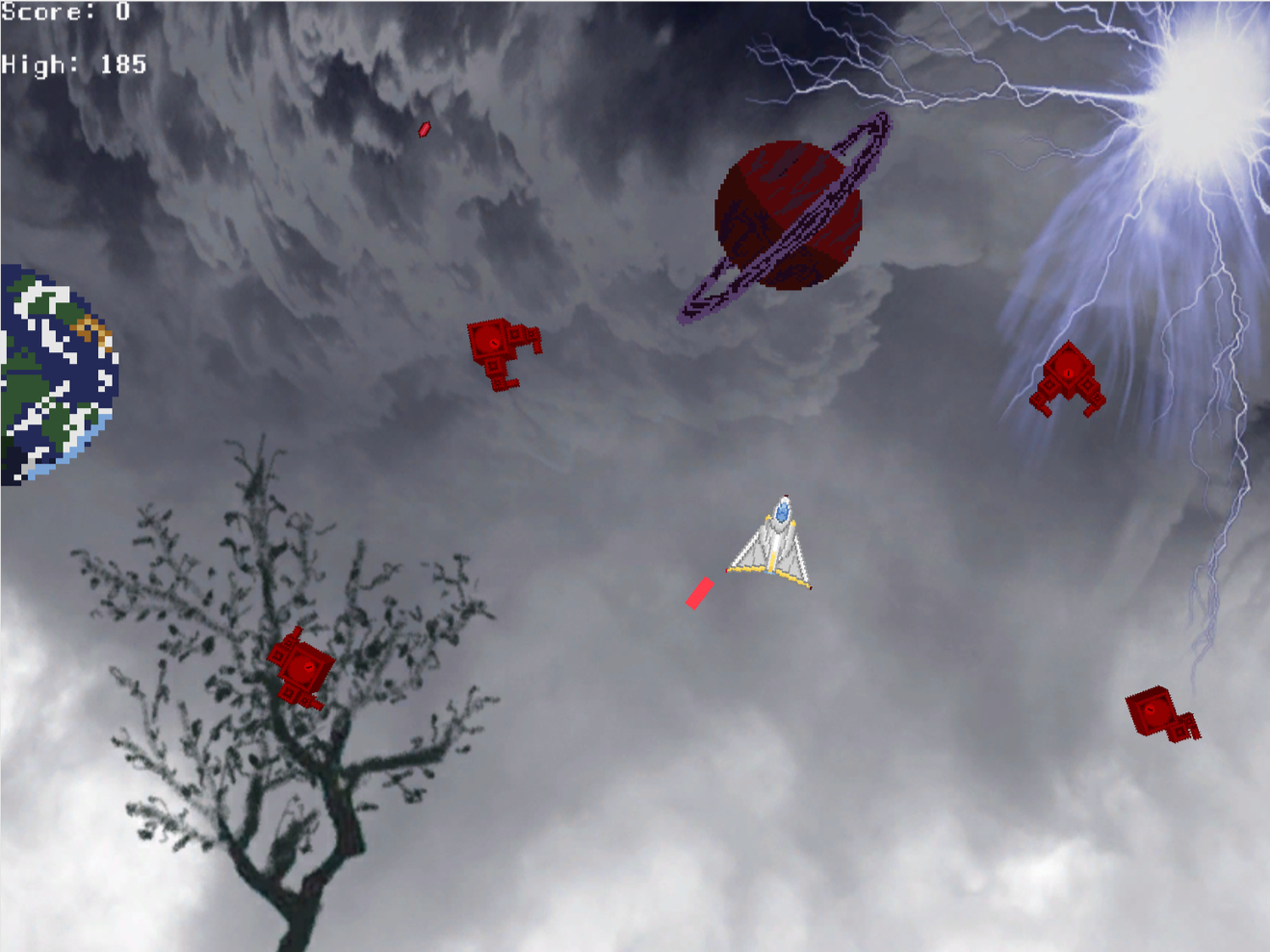
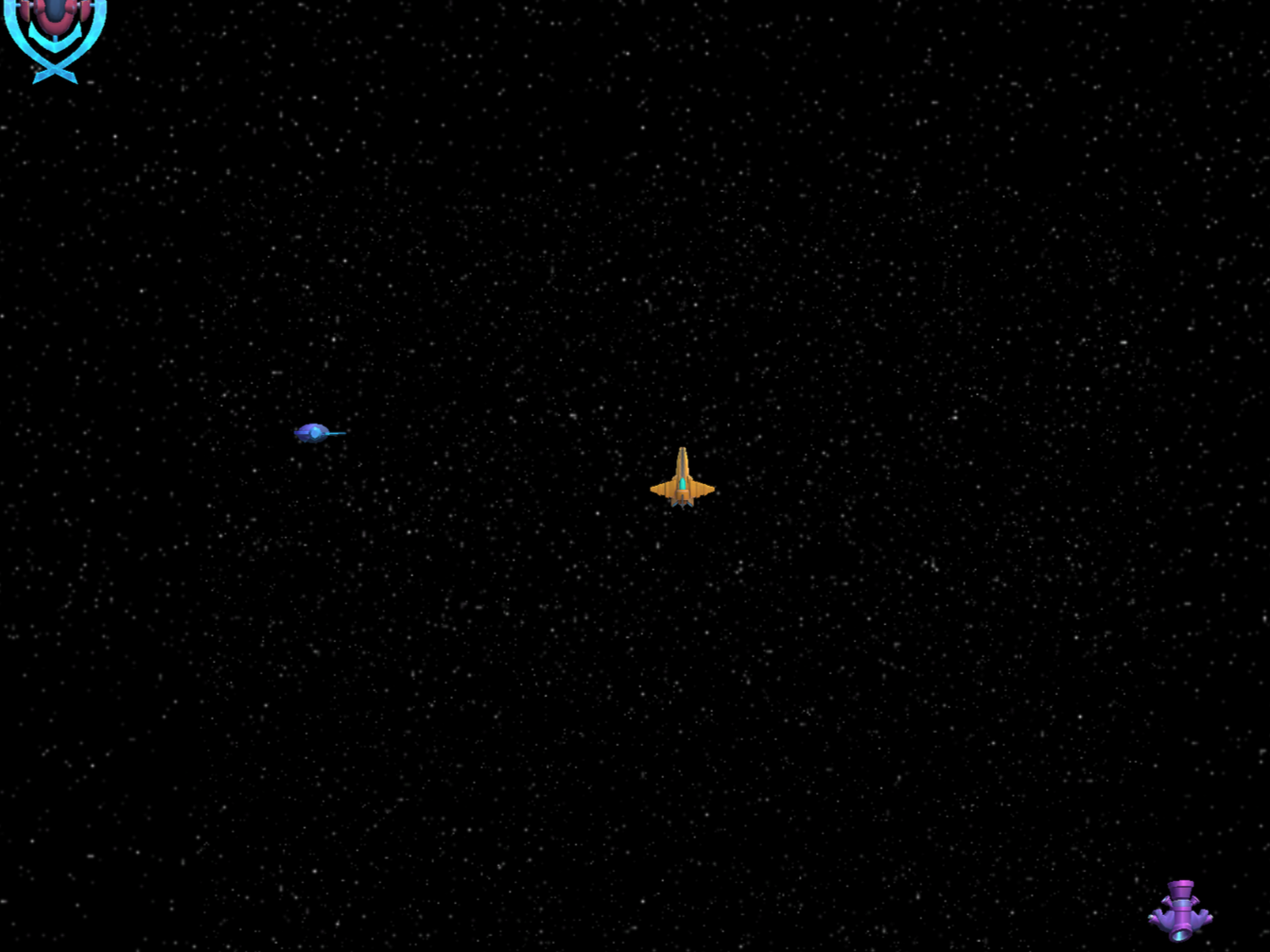
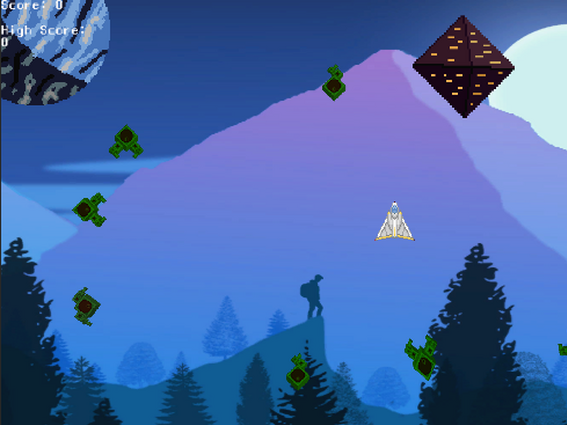
Throughout the program, I supported students as they developed original game projects and prepared to present their work.
I assisted with technical implementation, debugging, gameplay testing, and project refinement, helping students move from initial concepts toward functional interactive experiences.
As project deadlines approached, I encouraged students to prioritize essential features, address critical technical issues, and focus on delivering a cohesive final experience.
I also helped students prepare for their final showcases, where they had the opportunity to demonstrate their work, communicate their creative decisions, and reflect on what they had learned.
These showcases represented an important milestone in the learning process, allowing students to experience the satisfaction of presenting a project they had developed through experimentation, collaboration, and persistence.
Leadership & Collaboration
Serving as a Head Teaching Assistant required a combination of technical expertise, organization, communication, and leadership.
I collaborated with fellow teaching assistants and instructional staff to support classroom activities, maintain productive learning environments, and respond to students' academic and technical needs.
I also learned how to balance individual student support with the broader needs of a classroom, prioritizing technical challenges while ensuring students remained engaged and able to make progress.
The experience strengthened my ability to lead through collaboration, remain adaptable under pressure, and communicate effectively with both technical and nontechnical audiences.
Skills & Technologies
Technical Skills: Unity, C#, Object-Oriented Programming, Game Physics, Collision Detection, Debugging, Gameplay Mechanics, Interactive Development
Creative Skills: Game Design, Animation Curriculum Support, Interactive Storytelling, Creative Problem-Solving, Iterative Design, Project Development
Leadership Skills: Technical Instruction, Curriculum Support, Student Mentorship, Team Collaboration, Constructive Feedback, Communication, Classroom Leadership
Project Impact & Personal Reflection
My experience as a Head Teaching Assistant at NSLC was one of the most rewarding opportunities to apply my game development education outside of a traditional academic setting.
Teaching technical concepts challenged me to strengthen my own understanding of programming and interactive systems. Explaining why a particular mechanic worked, helping someone troubleshoot an unfamiliar error, or finding a new way to communicate a complicated concept required both technical knowledge and creativity.
More importantly, I discovered how much I enjoyed helping others bring their ideas to life.
Watching students progress from learning the fundamentals of Unity to presenting projects they had developed themselves reinforced my belief that technology and creativity are most powerful when people feel empowered to experiment.
This experience helped shape my professional interests in game development, user experience, creative production, and technical leadership.
It also taught me that successful development is not just about writing code or designing engaging experiences. It is about communication, collaboration, adaptability, and creating an environment where people can do their best work.
Ultimately, my role at NSLC allowed me to combine my passion for interactive media with my interest in mentorship and leadership, while helping introduce the next generation of creators to the possibilities of game development.