GAME DESIGN · UX RESEARCH · PRODUCT OPERATIONS
Designing experiences.
Building what's next.
I’m Sofia Greco — a producer, game developer, and interactive media designer working across games, web experiences, user research, and creative production.

Design · Development · Leadership
BASED IN ARIZONA · OPEN TO RELOCATION01 / Game Design & Development
Ideas made real.
Featured Projects
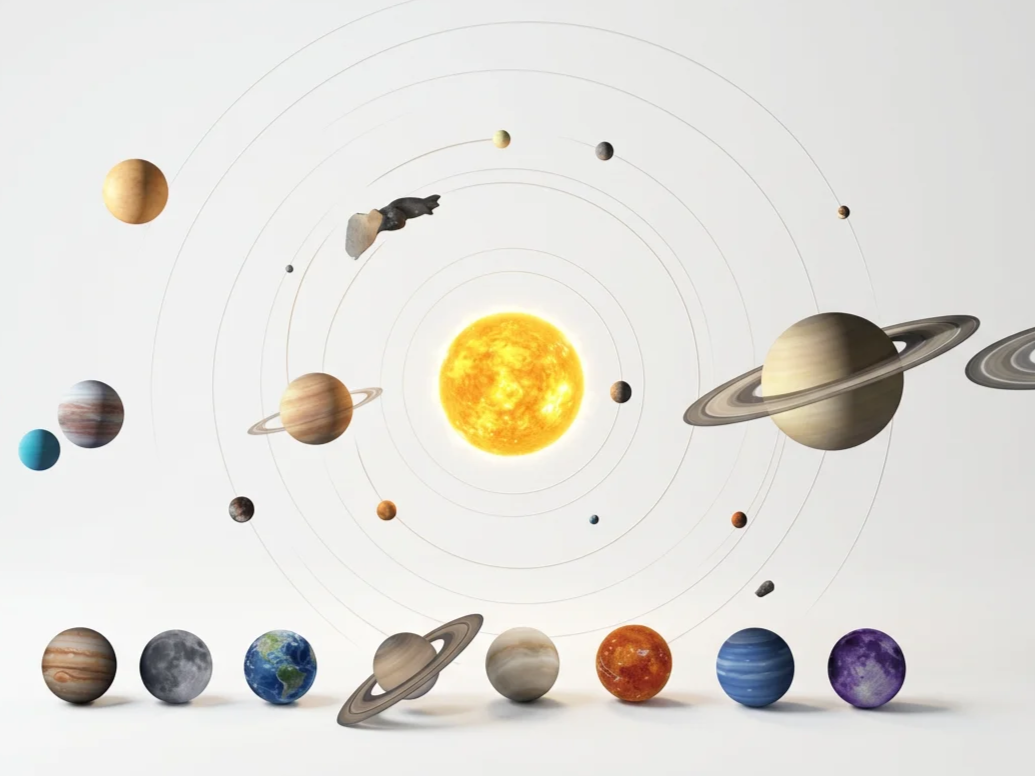
Unity 2022.3.6f1 - MI 486
Solar Expansion is an interactive educational experience developed through Michigan State University's Professional Game Design course and published by the MSU Planetarium.
As part of the development team, I contributed to project leadership, UI/UX design, and the creation of the project's marketing website. The experience combines game design, interactive technology, and educational storytelling to make astronomy more engaging and accessible.
My Role: Team Leadership, UI/UX Design, Game Design, Marketing
Project Type: Educational Interactive Experience
Institution: Michigan State University
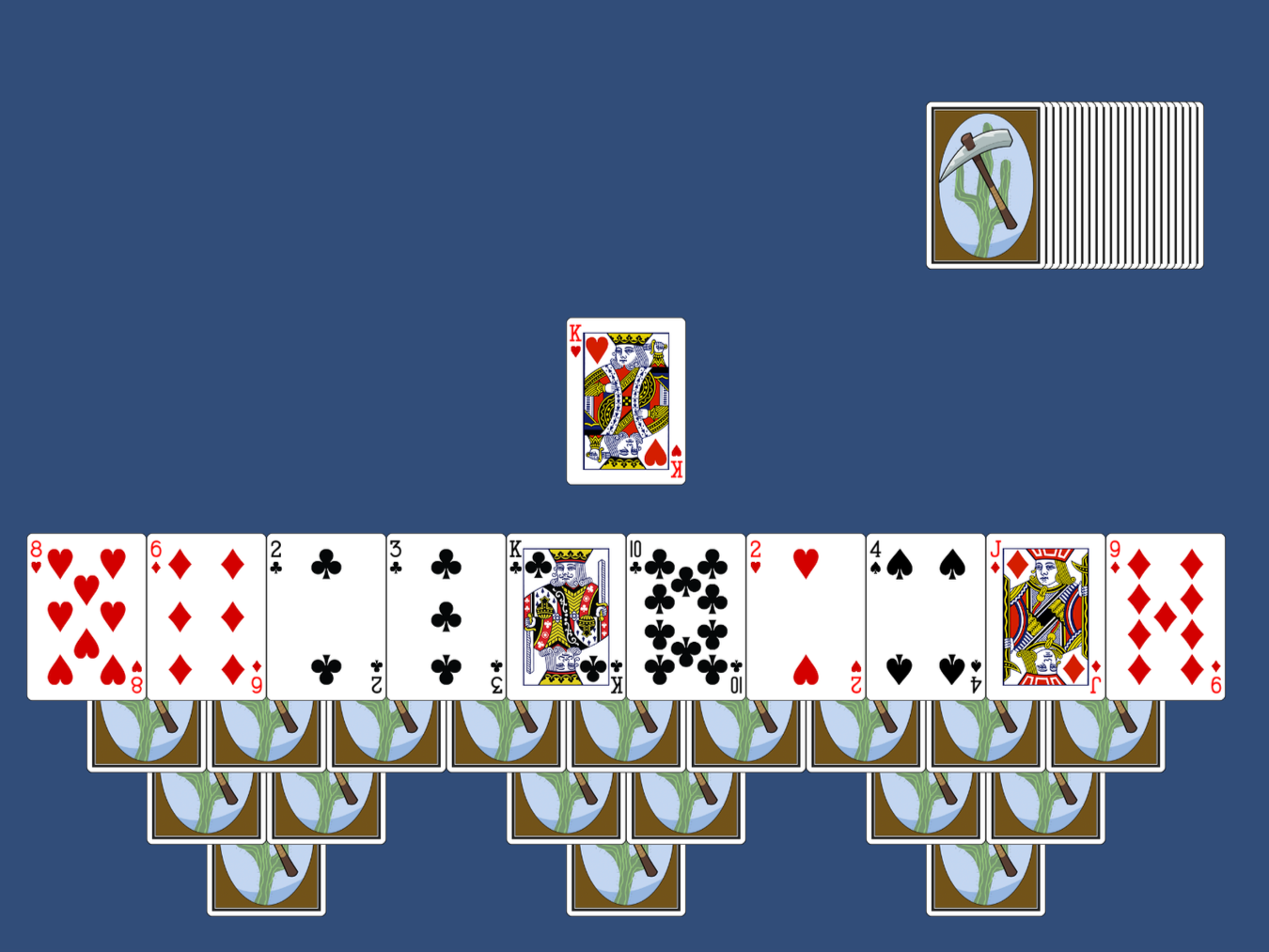
Unity 2022.3.6f1 - MI 486
A Unity-based game development project focused on gameplay mechanics, programming logic, and creating an interactive player experience.
THE CHALLENGE
Develop a functional game while applying fundamental game development principles. The challenge involved understanding how player interactions, game mechanics, and programming systems work together to create an engaging experience.
MY CONTRIBUTION
Through my undergraduate coursework, I worked on developing and refining gameplay functionality using Unity. The project strengthened my understanding of game programming, interactive systems, and the technical processes involved in game development.
PROCESS & DECISIONS
The project focused on several core aspects of game development:
Gameplay Mechanics: Exploring how game rules and interactions influence the player experience.
Programming Logic: Using scripts to manage game behavior and functionality.
Testing & Debugging: Identifying technical issues and refining gameplay systems.
Game Design: Considering how mechanics, responsiveness, and player feedback contribute to an engaging experience.
KEY TAKEAWAYS
Prospector helped strengthen my technical foundation in game development, particularly in understanding how programming, design, and testing come together to create functional interactive experiences.
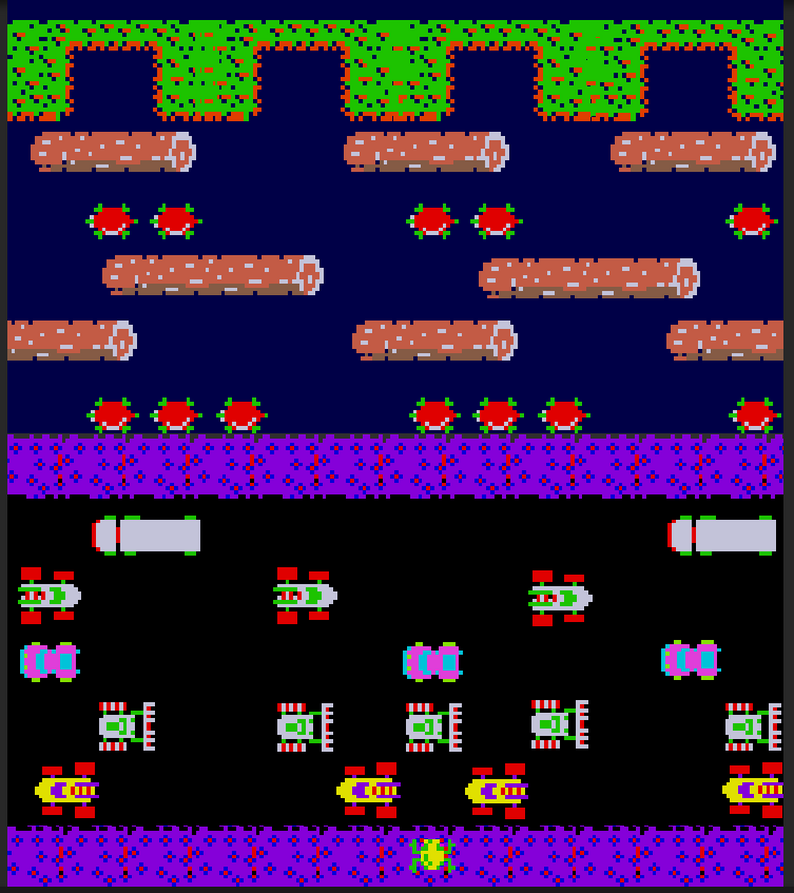
Unity 2022.3.6f1 MI 231
Unity C#
A Unity C# game-development project from undergraduate coursework.
THE CHALLENGE
Implement a playable game experience using object-oriented programming and gameplay logic.
MY CONTRIBUTION
Developed the coursework project using Unity and C#.
PROCESS & DECISIONS
Add gameplay footage, code samples, movement/collision logic, and technical challenges.
OUTCOME
A playable Unity HTML5 build is available on itch.io.
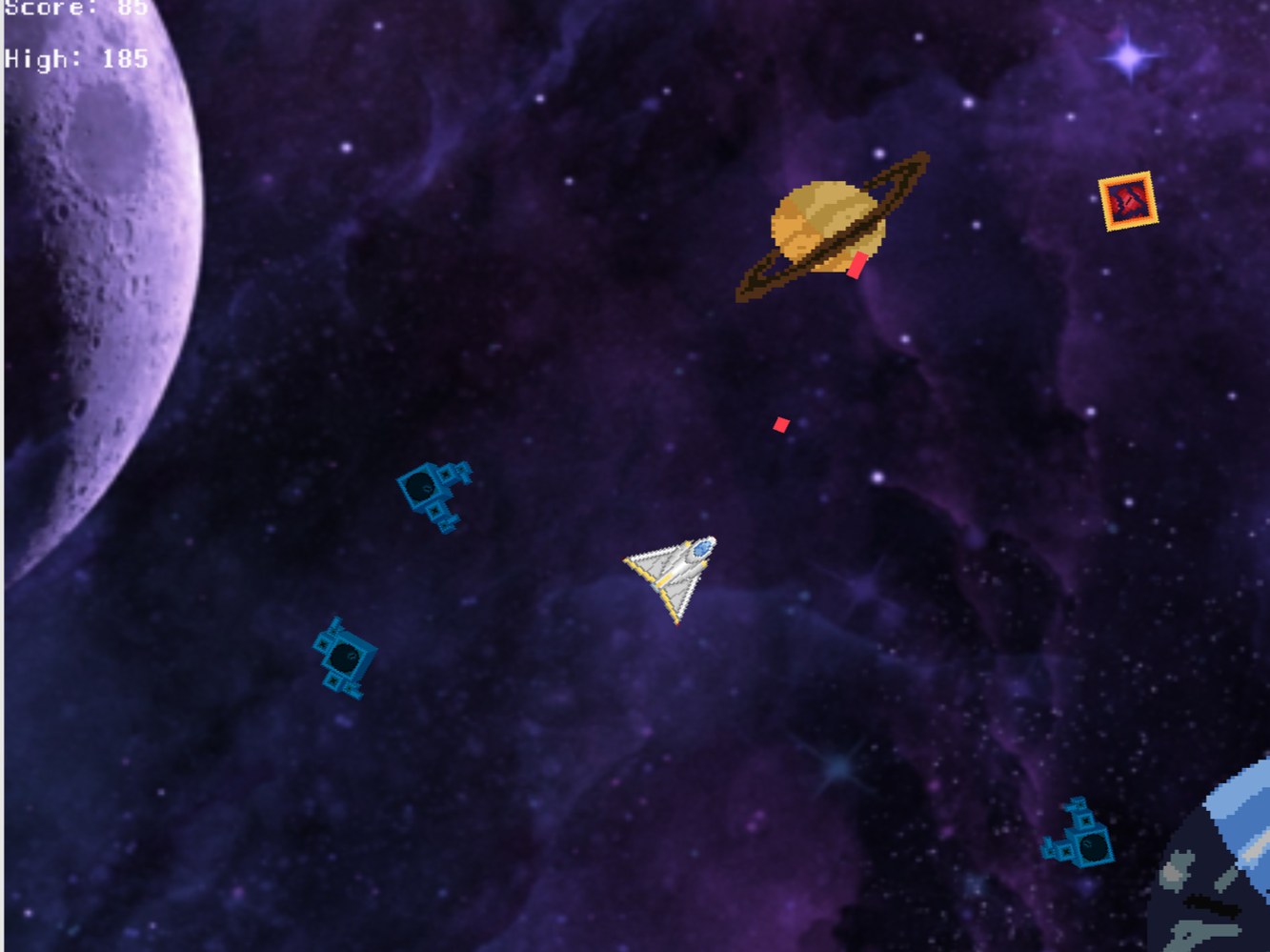
A 2D space-themed shooter game developed in Unity, featuring three distinct levels, colorful enemies, and interactive space environments. The project focuses on gameplay development, visual design, and improving the overall player experience.
THE CHALLENGE
Expand and improve an existing 2D shooter by developing three complete levels with distinct visual identities. The goal was to create a more engaging experience through environmental variety, enemy differentiation, and improved interface design.
MY CONTRIBUTION
I developed and refined Space Jam Shooter 2.0, creating all three levels and redesigning key visual elements. I customized enemy appearances, introduced planets and alien spacecraft, and improved the game's menus to create a more cohesive experience.
PROCESS & DECISIONS
The project focused on several key improvements:
Level Design: Developed three levels with distinct backgrounds and environments.
Environment Design: Added planets and alien spacecraft to enhance the space-themed atmosphere.
Visual Design: Assigned different enemy colors to each level to improve visual distinction.
UI Design: Updated menu backgrounds, button colors, and typography for a more polished presentation.
Iteration: Refined the original game through additional content and visual improvements.
KEY TAKEAWAYS
Space Jam Shooter 2.0 strengthened my skills in Unity development, 2D level design, and interface customization. The project demonstrated the importance of iteration, visual consistency, and thoughtful design decisions in creating engaging gameplay experiences.
From interactive worlds to research-driven experiences and complex operations.
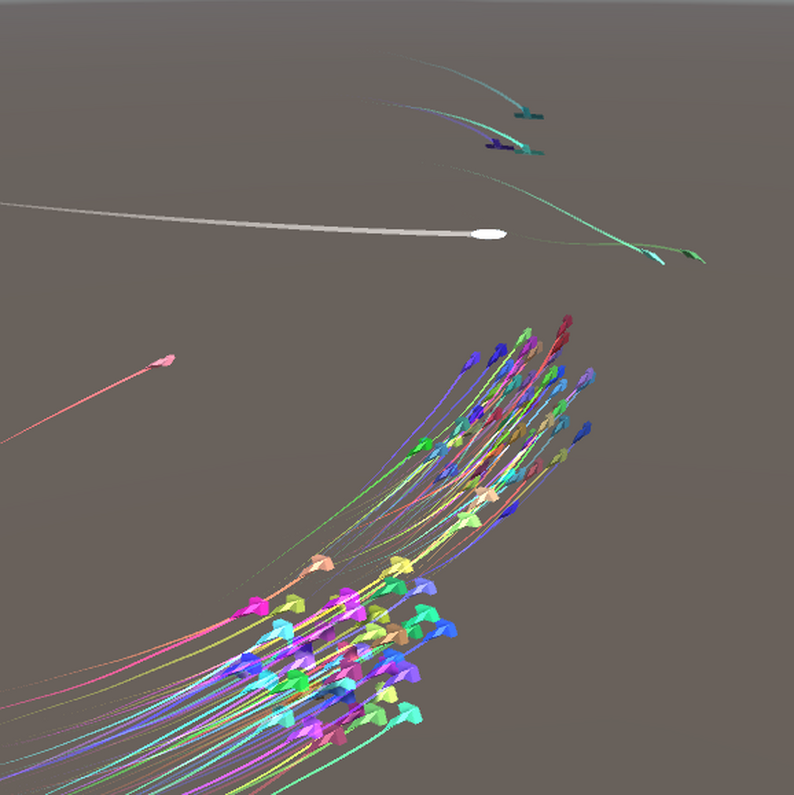
Object-Oriented Programming | Autonomous Simulation
Unity 2022.3.6f1 - MI 486
An object-oriented simulation exploring how autonomous agents interact to create realistic group movement through simple behavioral rules.
THE CHALLENGE
Develop an understanding of object-oriented programming by exploring autonomous movement systems. The goal was to demonstrate how individual agents can interact independently to produce coordinated, lifelike behavior.
MY CONTRIBUTION
Through my undergraduate coursework, I explored object-oriented programming concepts, autonomous agent behavior, and simulation logic. This project strengthened my understanding of how programming structures can support interactive game systems.
PROCESS & DECISIONS
The project explored three fundamental principles of boid simulations:
Separation: Avoiding collisions with nearby agents.
Alignment: Matching the movement direction of neighboring agents.
Cohesion: Moving toward nearby agents to maintain group movement.
By studying these behaviors, I gained experience with autonomous systems, emergent behavior, and their applications in game development.
KEY TAKEAWAYS
This project strengthened my programming and problem-solving skills while demonstrating how simple behavioral rules can create complex, realistic movement in interactive environments.
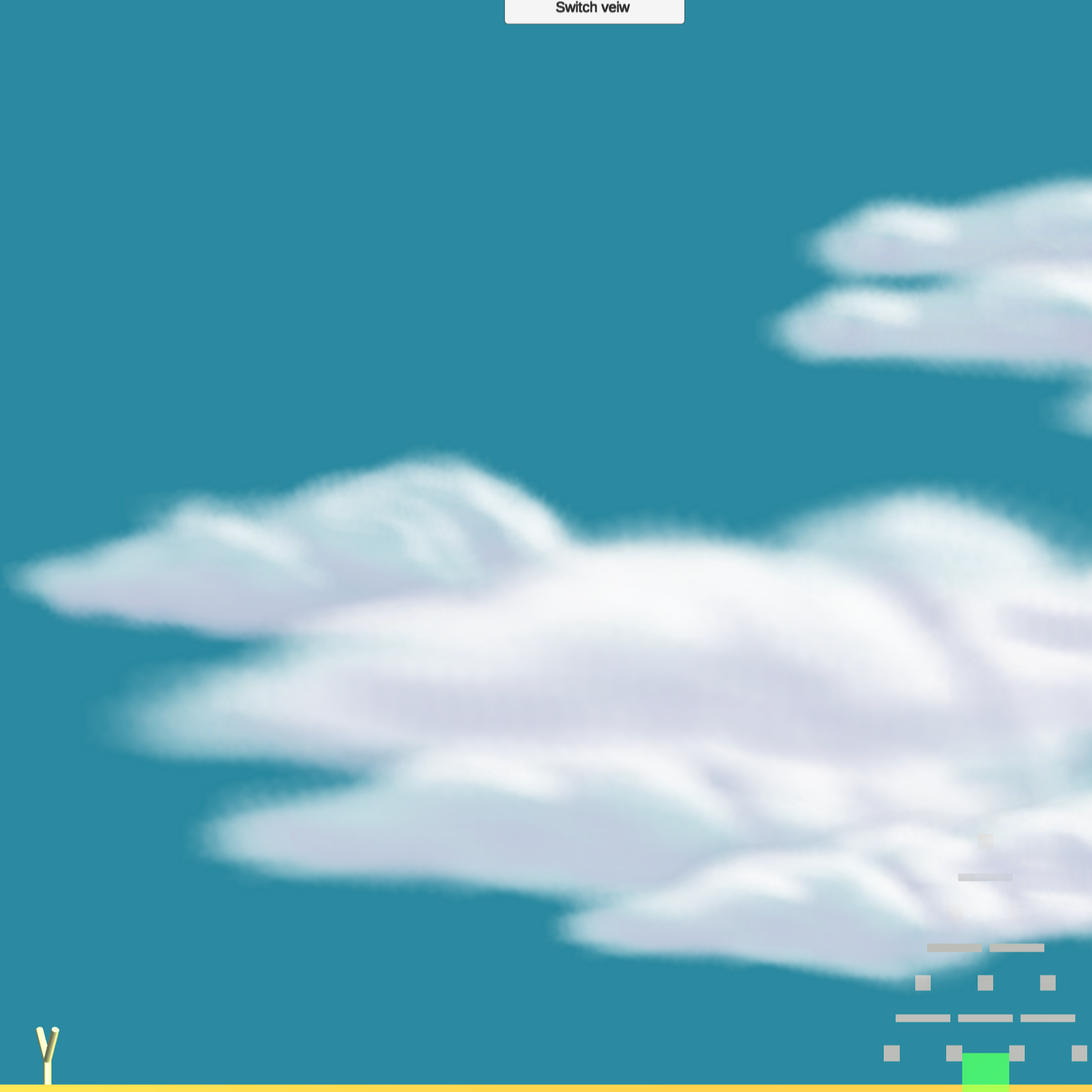
A physics-based game development project centered on using a slingshot to launch projectiles and destroy structures. The game explores realistic physics, collision detection, and interactive level design.
THE CHALLENGE
Develop a playable game using Unity's physics engine, where players strategically launch projectiles to demolish structures and reach designated targets. The goal was to create responsive gameplay while applying programming and physics principles.
MY CONTRIBUTION
Through my undergraduate game development coursework, I worked with Unity and C# to explore projectile mechanics, physics-based interactions, and level progression. The project strengthened my understanding of gameplay programming and interactive systems.
PROCESS & DECISIONS
The project focused on several key elements:
Physics Simulation: Exploring gravity, projectile trajectories, and collision responses.
Gameplay Mechanics: Implementing slingshot interactions and structure destruction.
Level Design: Working with different structures and target-based objectives.
Testing & Debugging: Evaluating gameplay behavior and refining interactions.
KEY TAKEAWAYS
Mission Demolition strengthened my understanding of Unity's physics engine, C# programming, and interactive game mechanics. The project demonstrated how physics, programming, and level design combine to create engaging gameplay experiences.
02 / UX/UI design and research
Featured Projects
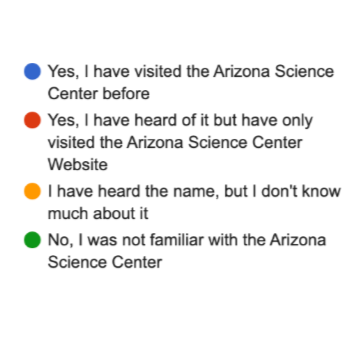
A comprehensive UX research project evaluating the Arizona Science Center website through usability testing, accessibility assessments, and user-centered research. The project focused on identifying usability challenges and developing recommendations to improve the overall digital experience.
THE CHALLENGE
Evaluate the website's usability, accessibility, and navigation to identify potential barriers for visitors. The goal was to understand how effectively users could find information, complete common tasks, and navigate the website.
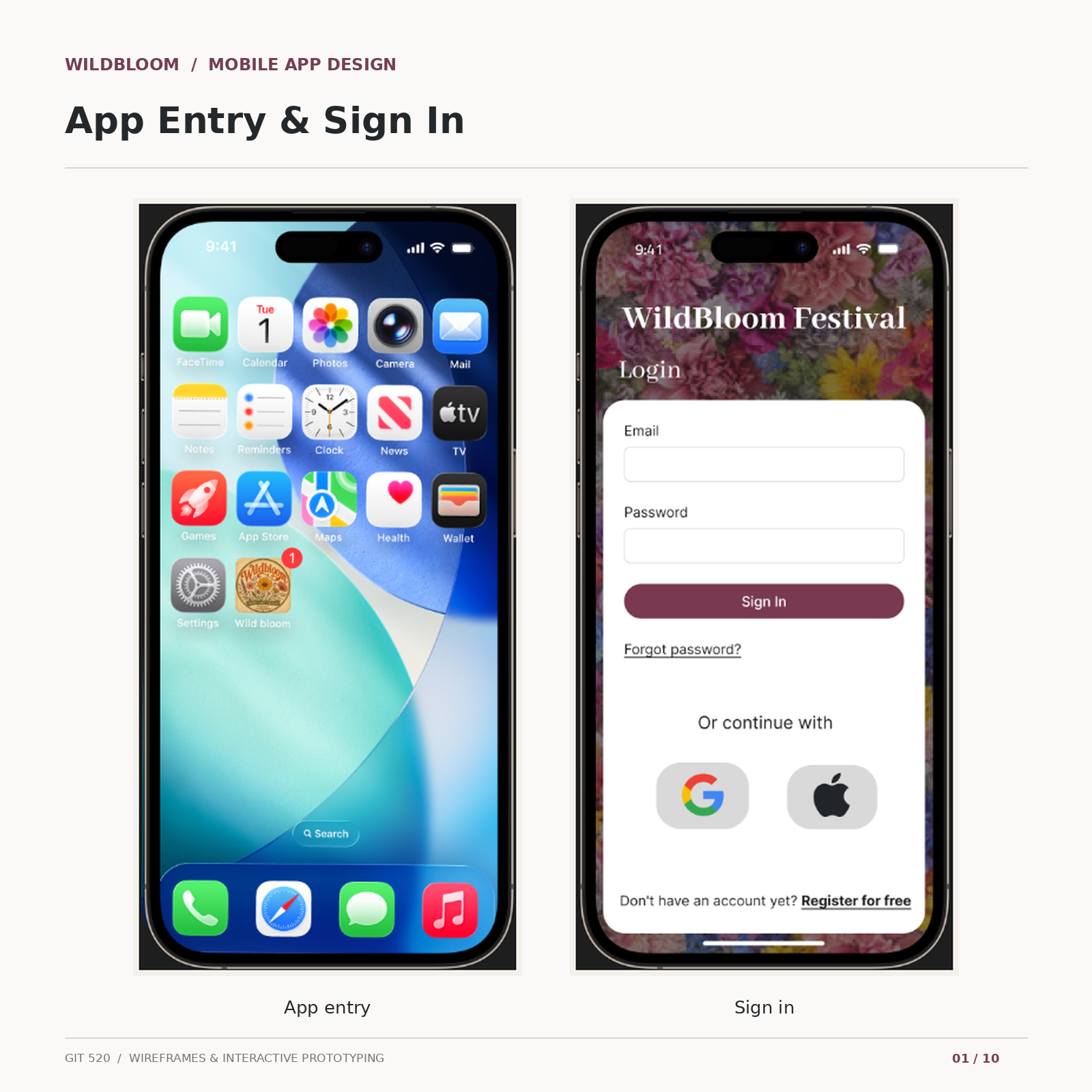
Tools & Methodologies: Wireframing, Interactive Prototyping, Material Design, User Flows, Information Architecture, MVP Planning, User-Centered Design
PROJECT OVERVIEW
Designing two interconnected digital products to modernize how a festival operates behind the scenes and how attendees experience it.
The Wildbloom Festival Series project explores the design of a connected digital ecosystem consisting of two distinct but complementary products: an internal administrative management platform and a consumer-facing festival attendee application.
Developed as part of Arizona State University's graduate-level GIT 520 course, this project simulates a professional agency-client engagement in which Sun Devil Design is tasked with modernizing Wildbloom's digital infrastructure.
The central design challenge extends beyond creating visually appealing interfaces. Wildbloom's existing content management process relies on manually coded website updates, requiring developer involvement whenever festival information changes. This creates operational inefficiencies, limits the organization's flexibility, and makes it difficult to maintain consistent information across digital channels.
The proposed solution introduces a centralized administrative tool that enables festival employees to independently manage event details, vendors, musical acts, and associated media. This information is intended to support both the future attendee application and the public-facing website.
The second product, a mobile attendee experience, translates that centralized information into an intuitive interface where festivalgoers can discover events, explore performers and vendors, and purchase tickets.
Together, these products illustrate how thoughtful UX/UI design can connect internal business operations with customer-facing experiences.
A multimedia project exploring career opportunities in Graphic Information Technology through podcast storytelling and an accompanying website.
THE CHALLENGE
Develop an informative podcast and supporting website that present career opportunities in an engaging, accessible format.
MY CONTRIBUTION
Worked on the podcast's content development and digital presentation, including organizing career-focused information, structuring the episode content, and developing the accompanying website's layout and navigation.
PROCESS & DECISIONS
Focused on clear storytelling, organized information, and consistent visual presentation to connect the podcast and website into one cohesive experience.
Description: A collaborative interactive art history experience designed to help users explore artistic movements, artists, and artwork through a chronological timeline. Our team developed site maps, user flows, wireframes, and interactive prototypes, refining the experience through two rounds of usability testing.
THE CHALLENGE
Create an engaging, intuitive way to explore art history while balancing educational content, accessibility, and navigation across multiple interconnected pages.
MY CONTRIBUTION
Led a six-person team on the UX design process, including user-flow planning, prototype development, and usability-driven improvements.
PROCESS & DECISIONS
Developed a four-level site structure and progressed from low- to high-fidelity designs. Testing informed improvements to navigation, artwork imagery, interactive elements, and content organization.
03/ Product & Project Management
Project Management | Agile Strategy | Digital Product Development ↗
Project Overview
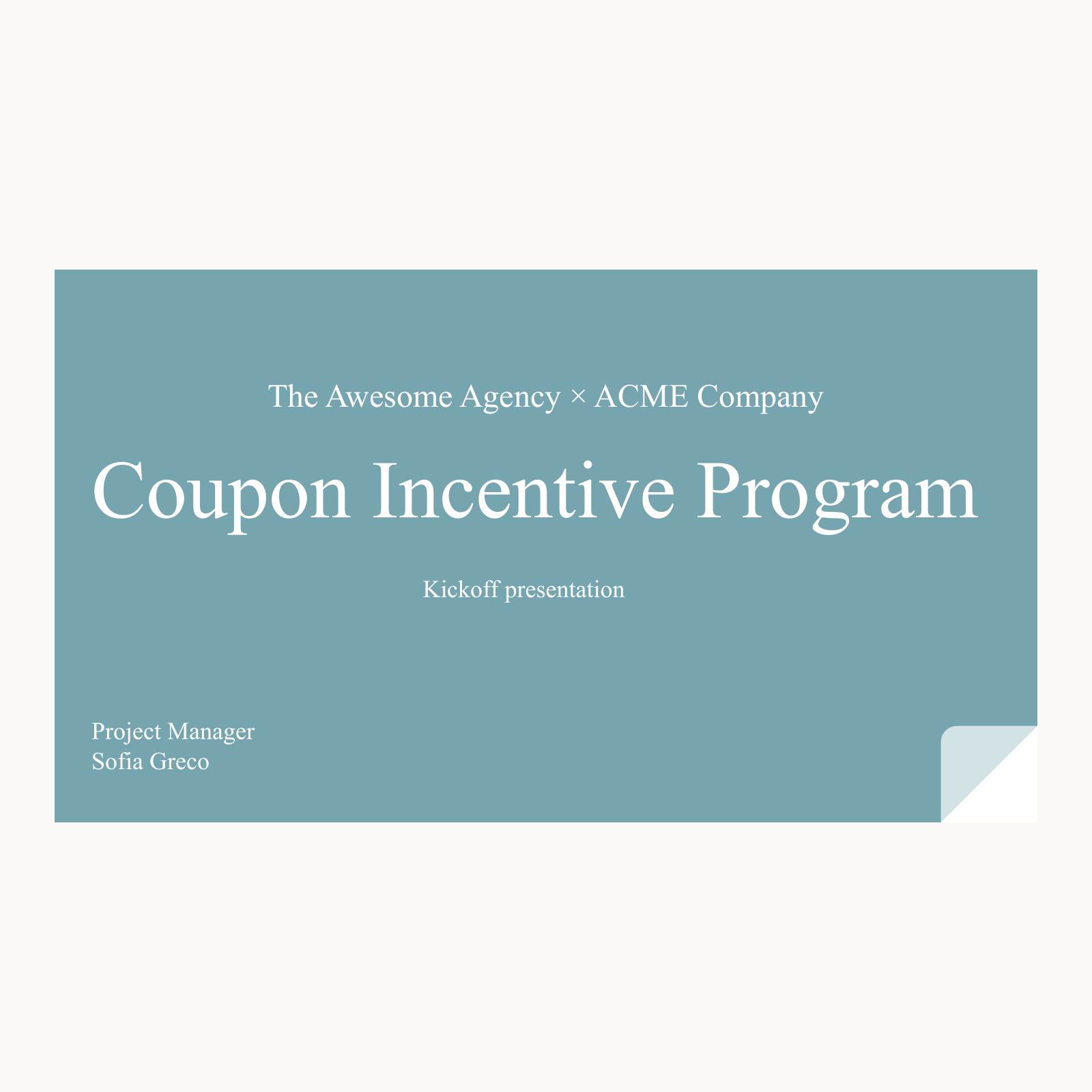
A strategic project management case study focused on planning a dual-format coupon incentive program for ACME Company. The initiative combines traditional print marketing with digital coupon integration to strengthen customer loyalty and create a more accessible shopping experience.
Working within a proposed $1.3 million budget and seven-month timeline, the project required coordinating creative production, UX/UI design, technical development, and stakeholder approvals.
The Challenge
ACME Company needed a customer-focused incentive program targeting shoppers aged 48–62 across its Great Lakes stores. The challenge was delivering printed coupons within three months while planning a digital coupon experience for the company's existing mobile app and website within five to seven months.
Project Management | Timeline Development | Resource Allocation | Notion ↗
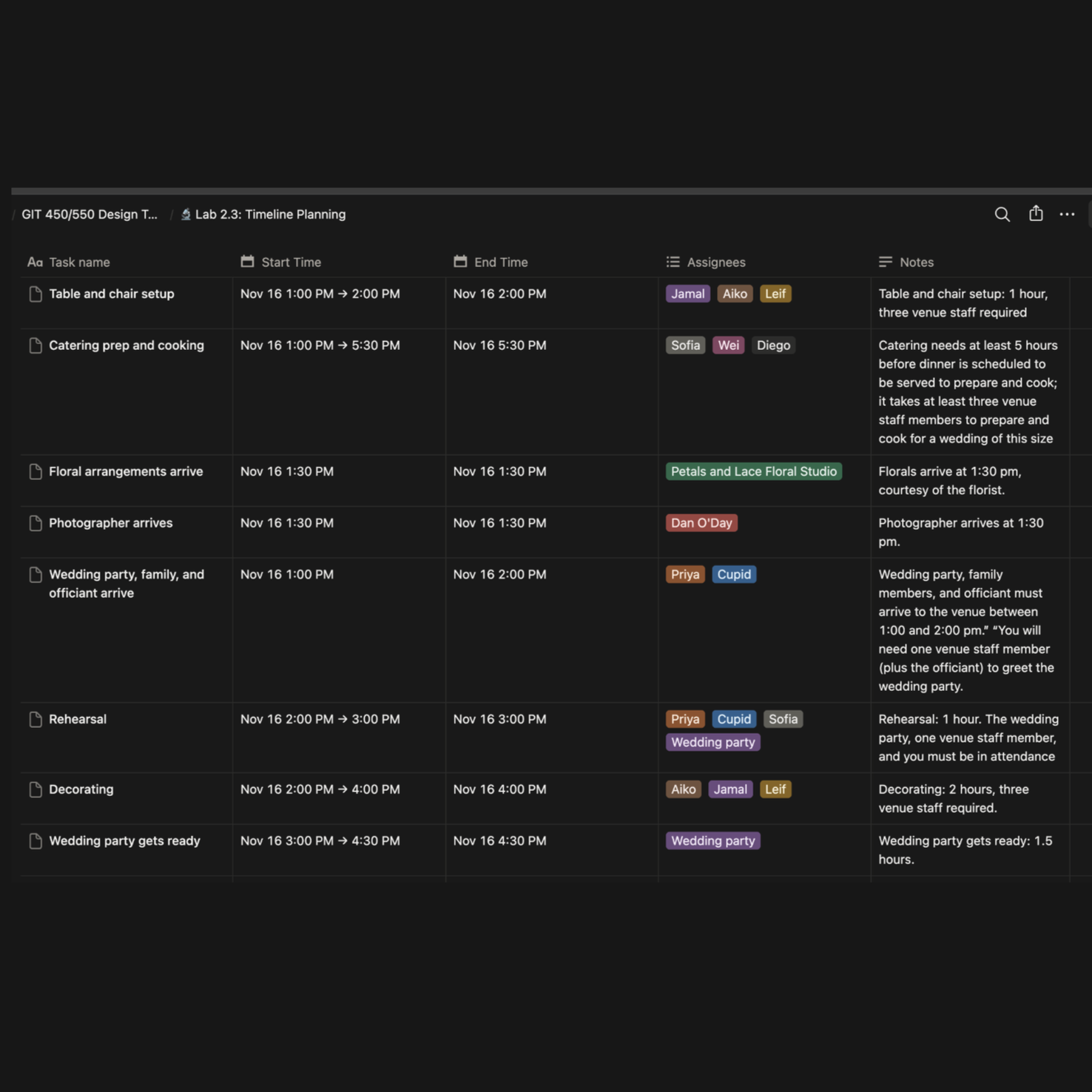
This collection of project management exercises demonstrates my approach to organizing complex schedules, coordinating responsibilities, and translating project requirements into actionable timelines.
Using Notion, I developed structured task-management systems for two distinct scenarios: a dual-format coupon incentive program and a large-scale wedding event. Both required detailed scheduling, resource allocation, deadline management, and consideration of overlapping activities.
For the ACME Coupon Incentive Program, I organized separate print production and digital development workflows, establishing task assignments, start dates, deadlines, and progress-tracking systems across creative, technical, and project management responsibilities.
For the event timeline exercise, I developed a detailed operational schedule coordinating venue preparation, catering, vendors, entertainment, photography, ceremony activities, and event breakdown. The timeline accounted for dependencies, simultaneous tasks, staffing requirements, and time-sensitive transitions.
Together, these exercises highlight my ability to use digital project management tools to build organized, practical workflows that support cross-functional coordination and efficient execution.
Follow Our Professional Updates